If your oven is not heating up at all, the most common culprits are a tripped circuit breaker, a faulty igniter (for gas ovens), or a damaged heating element (for electric ovens). Before calling a repair service, always unplug an electric oven or turn off the gas supply for safety, then check these components as many issues can be identified and sometimes fixed by homeowners. 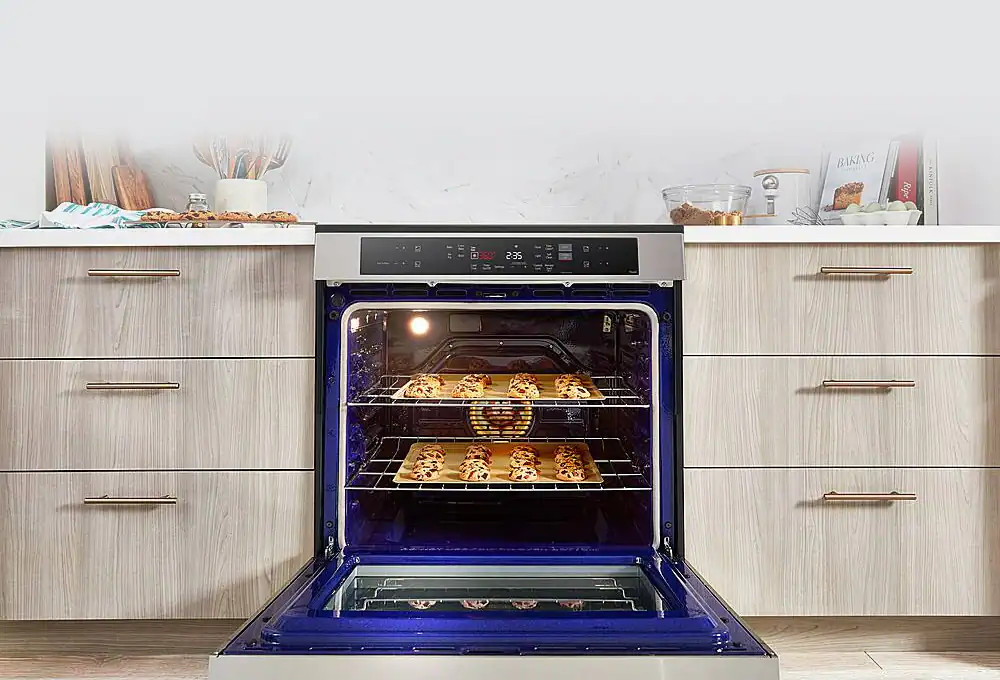
Why Is My Oven Not Heating Up At All? Common Culprits
Before you call a costly repair service, let’s play detective. An oven not heating up at all is often due to a few common issues, many of which you can identify yourself. Remember, safety first! Always unplug your electric oven or turn off the gas supply before you investigate.
1. The Simple Stuff: Power and Settings
It sounds almost too simple, but you’d be surprised how often it’s the culprit. For shop curated home kitchen on this site.
- Is it plugged in? For electric ovens, make sure the plug is firmly in the wall socket. Sometimes, they can get jostled.
- Check your circuit breaker. A power surge could have tripped the breaker for your oven. Head to your electrical panel and see if the switch for the oven is in the “off” position. Flip it back on.
- Are you in “Demo” or “Sabbath” mode? Many modern ovens have special modes that disable heating functions. Check your user manual to see how to exit these modes. It’s often a simple combination of button presses.
2. The Igniter (For Gas Ovens)
If you have a gas oven that won’t heat, the igniter is the prime suspect.
- What it does: This little part gets incredibly hot—glowing bright orange or white—to ignite the gas flowing into the burner. Over time, igniters weaken. They might still glow, but not get hot enough to open the gas valve.
- How to check: Set your oven to bake and peek inside. You should see the igniter start to glow within a minute. If it glows a dull red or doesn’t glow at all, it’s likely failed. If it glows brightly for more than 90 seconds without the “whoosh” of the gas igniting, it’s too weak and needs replacing.
3. The Heating Elements (For Electric Ovens)
Your electric oven has two main heating elements: the bake element at the bottom and the broil element at the top.
- What they do: These are the black tubes that glow red-hot to produce heat. A complete failure of the bake element is a common reason for an oven not heating up at all.
- How to check: With the oven off and cool, perform a visual inspection. Do you see any blisters, cracks, or breaks in the element? If you see visible damage, it’s time for a replacement. If it looks okay, you might need a multimeter to test for continuity, but visual damage is a dead giveaway.
A Note from the Kitchen: I’ll never forget the Thanksgiving my oven decided to take a holiday. The turkey was waiting, the guests were arriving, and the oven was stone cold. A quick look revealed a giant blister on the bake element. A quick trip to the hardware store and 15 minutes of work saved the day. Sometimes the fix is simpler than you think!
4. The Thermal Fuse
Bảng trống.Think of this as your oven’s safety bodyguard. If the oven overheats, this fuse blows to cut power and prevent a fire. However, sometimes it can blow without a major overheating event. If the fuse is blown, the oven won’t get any power to heat up.
The Heart of the Kitchen: A Brief History of the Oven
From open fires in ancient caves to the smart, connected appliances of today, the oven’s journey is a story of human innovation. Early ovens were brick-and-clay structures, demanding constant attention. The 18th century saw the first cast-iron models, and the 19th and 20th centuries brought us the gas and electric ovens that revolutionized home cooking, turning it from a laborious chore into an act of joy and creativity.
What Type of Oven Do You Have?
Understanding your appliance is the first step to mastering it. Most modern kitchens feature one of these types:
| Oven Type | How It Works | Best For |
|---|---|---|
| Conventional/Electric | Uses stationary heating elements (top and bottom) to cook food. | Simple baking, roasting, and broiling. Great for beginners. |
| Convection | Adds a fan to circulate hot air, cooking food faster and more evenly. | Roasting meats, baking multiple trays of cookies, anything that benefits from even browning. |
| Gas | Uses a flame from a burner (ignited by an igniter) to create heat. | Bakers who love the moist heat it provides, ideal for breads and cakes. |
| Steam | Injects steam into the oven cavity, cooking with moist heat. | Artisan breads with crispy crusts, reheating leftovers without drying them out, delicate fish. |
| Smart Oven | Connects to Wi-Fi, allowing control via a smartphone app. | Tech-savvy cooks who love pre-programmed recipes, remote preheating, and voice commands. |
How to Choose Your Next Culinary Partner
If troubleshooting reveals that your old oven has baked its last cake, choosing a new one can be exciting. It’s a chance to upgrade your kitchen’s capabilities.
As kitchen appliance expert John Carter often says, “Don’t just buy an oven based on how it looks. Think about how you cook. A passionate bread baker has very different needs from someone who mostly roasts chickens or uses an air fry function.”
Here’s a checklist to guide your decision:
- [ ] Gas or Electric? Consider your home’s existing hookups and your cooking style. Electric offers more precise temperature control, while gas provides moist heat.
- [ ] Convection is a Game-Changer: Do you often bake on multiple racks or want faster, more even results? A convection fan is well worth the investment.
- [ ] Size and Capacity: How much space do you have? Do you often cook for a large crowd? Check the internal cubic footage.
- [ ] Special Features: Do you want steam cooking, a built-in air fryer, smart connectivity, or a self-cleaning mode? Make a list of your “must-haves” vs. “nice-to-haves.”
- [ ] Read Reviews: See what real users are saying about reliability and performance. This is where you’ll find honest feedback.
Expert Tips for Flawless Oven Use
Getting the most out of your oven goes beyond just turning it on.
- Always Preheat Fully: Don’t rush it! Most ovens need 10-15 minutes to reach the set temperature. Opening the door to a partially preheated oven can ruin delicate bakes.
- Know Your Hot Spots: Almost every oven has them. Use an oven thermometer to find out where yours are. You can rotate your pans halfway through baking for more even results.
- Give It Space: Don’t overcrowd the oven. This blocks air circulation and leads to uneven cooking. If you need to cook a lot, it’s better to do it in batches.
- Use the Right Rack Position: The middle rack is your go-to for most things, offering the most even heat. Use the top rack for browning and broiling, and the bottom rack for things that need a crispy bottom crust, like pizza.
Keeping Your Oven in Tip-Top Shape: Cleaning & Maintenance
A clean oven is an efficient oven. Built-up grease and grime can cause smoke, affect flavor, and even become a fire hazard.
- Regular Wipe-Downs: After the oven cools, wipe up any spills with a damp cloth. This prevents them from baking on and becoming a major chore later.
- Deep Cleaning: Do a thorough cleaning every 3-6 months, depending on use. You can use a commercial oven cleaner or a DIY paste of baking soda and water.
- The Self-Clean Cycle: If your oven has this feature, use it wisely. It gets extremely hot to burn off residue. Make sure your kitchen is well-ventilated, and remove the racks beforehand, as the high heat can damage their finish.
- Check the Gasket: The rubber or woven seal around the oven door is crucial for keeping heat in. Inspect it for cracks or breaks. A faulty gasket wastes energy and can lead to inaccurate cooking temperatures.
Frequently Asked Questions (FAQs)
Q: What’s the first thing to check if my electric oven is not heating up at all?A: The very first thing to check is the power source. Ensure the oven is plugged in securely and that the corresponding circuit breaker hasn’t been tripped in your home’s electrical panel.Q: Can I replace an oven heating element myself?A: Yes, for many people, this is a manageable DIY repair. After ensuring the oven is unplugged, the bake element is typically held in by just a few screws. New elements are widely available online or at appliance parts stores.Q: Why does my gas oven light but not get hot?A: This is a classic symptom of a weak igniter. Even if it glows, it may not be getting hot enough to trigger the gas valve to open fully, preventing the main burner from staying lit and heating the oven cavity.Q: How often should I clean my oven?A: A light wipe-down of spills should happen as they occur. A deep clean is recommended every 3 to 6 months, or more frequently if you are a heavy user or notice smoke or odors when you cook.Q: My oven works, but the temperature seems wrong. What’s the problem?A: This could be a faulty temperature sensor or a thermostat that needs recalibration. An easy first step is to buy an inexpensive oven thermometer to verify the actual internal temperature against what you set on the dial.When your oven not heating up at all brings your kitchen to a standstill, it feels frustrating. But by working through these simple diagnostic steps, you can often pinpoint the problem and, in many cases, fix it yourself. Understanding how this essential appliance works not only empowers you to handle minor repairs but also makes you a better, more intuitive cook. Your oven is more than a box that gets hot; it’s a partner in creating delicious memories. We hope this guide helps you keep that partnership going strong for years to come.
Frequently Asked Questions
What's the first thing to check if my electric oven is not heating up at all?
The very first thing to check is the power source. Ensure the oven is plugged in securely and that the corresponding circuit breaker hasn't been tripped in your home's electrical panel, as this is a common cause for a complete power loss to the appliance.
Can I replace an oven heating element myself?
Yes, for many people, replacing an oven heating element is a manageable DIY repair. After ensuring the oven is unplugged for safety, the bake element is typically held in by just a few screws, and new elements are widely available online or at appliance parts stores for around $20-$50.
Why does my gas oven light but not get hot?
This is a classic symptom of a weak igniter. Even if it glows, it may not be getting hot enough (typically 1800-2500u00b0F) to trigger the gas valve to open fully, preventing the main burner from staying lit and heating the oven cavity effectively.
How often should I clean my oven?
A light wipe-down of spills should happen as they occur to prevent them from baking on. A deep clean is recommended every 3 to 6 months, or more frequently if you are a heavy user or notice smoke or odors when you cook, to maintain efficiency and safety.
My oven works, but the temperature seems wrong. What's the problem?
This could be a faulty temperature sensor or a thermostat that needs recalibration. An easy first step is to buy an inexpensive oven thermometer (often under $10) to verify the actual internal temperature against what you set on the dial, helping diagnose a discrepancy.
Cooking gear we tested in our own kitchens
Free PDF — preheat times measured on 10 popular air fryers.
My oven wasn’t heating up at all, and I was convinced it was something major. Turns out, the plug wasn’t fully seated in the outlet for my electric oven! It felt a bit silly, but I’m so glad I read this before calling for service. Simple fix, and now I know what to look for next time.
Fantastic guide! My gas oven wasn’t igniting, and the steps for checking the igniter were clear and easy to follow. I was able to identify the faulty part and order a replacement. It’s great to have a resource that empowers you to try fixing things yourself before resorting to expensive professionals.
This was a lifesaver! My electric oven just stopped heating up completely, and I was dreading calling a repairman. Following the advice here, I checked the heating element and sure enough, it was visibly damaged. A quick replacement and my oven is back to normal. Saved me a ton of money and hassle!
Good tips overall, especially about checking the circuit breaker. Mine had tripped, which was an easy fix. I was hoping for a bit more detail on troubleshooting gas oven igniters though; mine seems to be the issue but I’m still a little hesitant to mess with it myself. Still, a helpful starting point.