There’s nothing quite like the excitement of a brand-new oven. When a new oven smokes during its first use, it is typically a normal and safe process called a “burn-in” or “curing” cycle, which eliminates protective oils and manufacturing residues. This initial smoke is rarely a sign of a defect and prepares the oven for safe cooking.
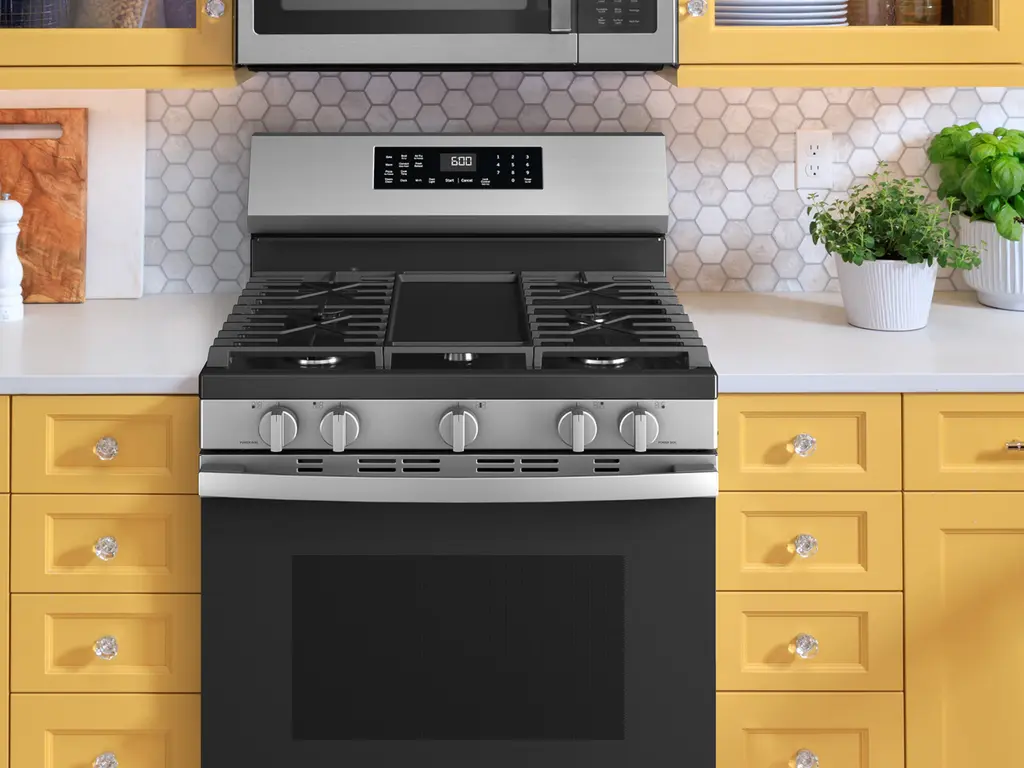
Why Is My New Oven Smoking in the First Place?
It’s completely normal for a new oven to smoke the first few times you use it. This smoke is rarely a sign of a defect. It’s actually a necessary part of the manufacturing process burning off. Think of it like breaking in a new pair of shoes; your oven needs a little “burn-in” to get ready for a lifetime of delicious meals.
The smoke and odd smell come from protective oils and residues left over from the factory. These coatings are applied to the oven’s cavity and heating elements to prevent scratches and corrosion during shipping and storage. When you heat the oven for the first time, these substances burn away.
“I always tell my clients to expect a bit of smoke and a ‘hot metal’ or ‘oily’ smell on the first run,” says Sarah Jenkins, a kitchen appliance technician with over a decade of experience. “It’s the oven’s way of cleaning itself and getting factory-fresh for your first real recipe. Good ventilation is your best friend during this process.”
The Essential First Step: The “Burn-In”
Before you even think about putting food in your new appliance, you need to perform an initial burn-in or “curing” cycle. This is the single most important answer to the question of what to do when your new oven smokes. This process will safely eliminate the manufacturing residues and get your oven ready for cooking.
Here’s a simple, step-by-step guide to get it done right:
- Read the Manual: I know, I know, it’s not the most exciting book. But your oven’s manual is the ultimate source of truth. The manufacturer will have specific instructions for the first-time use, including the recommended temperature and time for the burn-in.
- Remove Everything: Take out all oven racks, broiler pans, and any plastic or paper packaging materials that might still be inside. Some people prefer to leave the racks in to burn off their coatings too, but check your manual—some rack materials should be removed.
- Ventilate, Ventilate, Ventilate! This is non-negotiable. Open your kitchen windows, turn on the range hood or exhaust fan to its highest setting, and maybe even get a small fan going to circulate the air. The fumes aren’t dangerously toxic, but they can be unpleasant and might irritate sensitive individuals or pets.
- Set the Temperature: Set your oven to a high heat, typically between 400°F and 550°F (200-290°C). Your manual will provide the exact recommendation.
- Set the Timer: Let the oven run for about 30 to 60 minutes. You’ll likely see some light smoke and notice a distinct chemical or oily smell. Again, this is normal.
- Cool Down: After the time is up, turn off the oven but leave the door closed. Let it cool down completely.
- Wipe It Down: Once the oven is cool to the touch, use a damp cloth to wipe down the interior. This will remove any leftover powdery residue from the burned-off coatings.
After this process, the smoke and most of the smell should be gone, and your oven will be ready for its first culinary masterpiece.
Understanding Different Types of Ovens
While the burn-in process is universal, knowing your oven type can help you understand its quirks. The world of ovens has evolved significantly from the simple wood-fired hearths of the past. Today’s kitchens feature an array of sophisticated machines.
A Quick Look at Oven Evolution
Bảng trống.Ovens have been the heart of the home for centuries, evolving from open fires to cast-iron stoves and now to the smart appliances we rely on. This evolution has been driven by a quest for efficiency, precision, and convenience, allowing home cooks to achieve professional-level results.
Common Oven Types in Modern Kitchens
- Conventional Ovens: The classic. Heat comes from stationary elements at the top and bottom. Simple and reliable.
- Convection Ovens: A fan circulates hot air, cooking food faster and more evenly. When a new convection oven smokes, the fan can make the smoke seem more dramatic, but the cause is the same.
- Gas Ovens: Prized for moist heat, which is great for roasts. The burn-in process is equally important for gas models.
- Steam Ovens: Use water vapor to cook food, which is fantastic for baking bread with a crispy crust or for retaining nutrients in vegetables.
- Smart Ovens: Wi-Fi connected ovens that you can control with your phone. They still require a manual burn-in, no matter how smart they are!
But What If It’s Not a New Oven?
If your old oven is smoking, the cause is different. This is usually a cleaning issue. The culprit is almost always burnt food or grease buildup.
- Grease Splatters: A little splatter from a roast can burn and smoke the next time you preheat.
- Food Spills: Cheese from a pizza or sugar from a pie bubbling over can carbonize on the oven floor and create a lot of smoke.
Regular cleaning is the key to preventing this. For tips on keeping your appliance sparkling, [check out our complete guide to oven cleaning here!]
Troubleshooting: When Smoke Might Be a Problem
While smoke from a new oven is normal, and smoke from a dirty oven is common, there are rare occasions when it could signal a problem.
How Can I Tell If the Smoke Is Dangerous?
Pay attention to the type of smoke. The initial burn-off smoke is usually thin and accompanied by a chemical or oily smell. If you see thick, black, acrid smoke or smell burning plastic or electrical wiring, that’s a red flag.
- Electrical Smell: A sharp, electrical burning smell could indicate a wiring issue.
- Thick Black Smoke: This often means something is actively burning that shouldn’t be (like a forgotten piece of packaging or a major grease fire).
In these cases:
- Turn off the oven immediately.
- Keep the oven door closed to starve any potential fire of oxygen.
- If you suspect an electrical issue or if the smoke doesn’t stop, unplug the appliance (if safe to do so) and call a qualified technician. Do not use the oven again until it has been inspected.
Frequently Asked Questions (FAQ)
Q1: Is the smoke from a new oven toxic?
The smoke and fumes from a new oven’s burn-in process are generally not considered dangerously toxic, but they can cause irritation to the eyes, nose, and throat. It’s highly recommended to ventilate the area well, and to keep children, the elderly, and pets (especially birds, which have sensitive respiratory systems) out of the room.
Q2: How long does the new oven smell last?
The most intense smell should be gone after the initial burn-in, which typically lasts 30-60 minutes. You might notice a faint residual smell for the next one or two uses, but it should dissipate quickly. If a strong chemical smell persists after several uses, it’s worth consulting your user manual or contacting customer support.
Q3: What if my new oven is still smoking after the first use?
If you still see a bit of smoke on the second or third use, it can be normal as trace amounts of residue burn off. However, if it’s still smoking just as much as the first time, try running another burn-in cycle. If the problem continues, there might be some residue in a hard-to-reach spot or, in a very rare case, an issue with the appliance.
Q4: Can I bake food during the first burn-off cycle?
Absolutely not. You should never cook food inside the oven during its initial burn-in. The fumes and residues burning off can impart a very unpleasant, chemical-like taste to your food and are not meant for consumption.
Q5: I forgot a piece of plastic packaging in the oven during burn-in. What should I do?
First, turn off the oven and let it cool down completely. Ventilate the room thoroughly. Once cool, try to remove as much of the melted plastic as you can. You may need a plastic scraper. Be careful not to scratch the oven’s interior. After removing the plastic, you may need to run another cleaning or burn-in cycle to get rid of the residual smell.
Your Culinary Journey Awaits
Navigating what to do when your new oven smokes is the first small step in a long and wonderful relationship with your kitchen’s most valuable player. By understanding that this initial smoking is a normal and necessary “hello,” you can approach it with confidence instead of concern. You’re not just burning off factory oils; you’re prepping the stage for countless happy memories, from birthday cakes to holiday feasts.
At Oven Hi, we believe your oven is more than just a box that heats up. It’s a partner in creativity, a source of comfort, and the warm heart of your home. So, complete that burn-in, take a deep breath of (now fresh) air, and get ready to bake, roast, and broil your way to deliciousness.
We’d love to hear about your first creation in your new oven! Share your experiences and tips in the comments below.
Frequently Asked Questions
Is the smoke from a new oven toxic?
The smoke and fumes from a new oven's burn-in process are generally not considered dangerously toxic, but they can cause irritation to the eyes, nose, and throat. It is highly recommended to ventilate the area well and keep children, the elderly, and pets (especially birds) out of the room during the process.
How long does the new oven smell last?
The most intense smell should dissipate after the initial burn-in, which typically lasts 30-60 minutes. A faint residual smell might be noticeable for the next one or two uses, but it should quickly disappear. If a strong chemical smell persists after several uses, consult your user manual or contact customer support.
What if my new oven is still smoking after the first use?
If you observe light smoke on the second or third use, it is usually normal as trace amounts of residue continue to burn off. However, if the smoking is as heavy as the first time, try running another burn-in cycle. Persistent heavy smoke could indicate residue in a hard-to-reach spot or, rarely, an appliance issue.
Can I bake food during the first burn-off cycle?
No, you should never cook food inside the oven during its initial burn-in. The fumes and residues burning off can impart a very unpleasant, chemical-like taste to your food and are not meant for consumption. Always complete the burn-in before cooking.
What should I do if I forgot plastic packaging in the oven during burn-in?
First, turn off the oven immediately and let it cool down completely. Thoroughly ventilate the room. Once cool, carefully remove as much of the melted plastic as possible, using a plastic scraper if needed to avoid scratching the interior. After removal, you may need to run another cleaning or burn-in cycle to eliminate any residual smell.
Perform a New Oven Burn-In Cycle
Safely eliminate manufacturing residues from your new oven before its first use by following these steps, ensuring it's ready for cooking.
Consult your oven's manual for specific first-time use instructions, including the recommended temperature and duration for the burn-in cycle. This ensures you follow manufacturer guidelines for your particular model.
Take out all oven racks, broiler pans, and any plastic or paper packaging materials from inside the oven. Some manuals may advise removing racks, while others suggest leaving them in; always check your specific manual.
Open kitchen windows, turn on your range hood or exhaust fan to its highest setting, and consider using a small fan to circulate air. This is crucial as fumes, while not dangerously toxic, can be unpleasant and irritating.
Set your oven to a high heat, typically between 400u00b0F and 550u00b0F (200-290u00b0C), as specified in your manual. Let the oven run for approximately 30 to 60 minutes, during which light smoke and an oily smell are normal.
After the burn-in time, turn off the oven but leave the door closed to allow it to cool down completely. Once cool to the touch, use a damp cloth to wipe down the interior, removing any powdery residue from the burned-off coatings.
Cooking gear we tested in our own kitchens
Free PDF — preheat times measured on 10 popular air fryers.
This was exactly what I needed! I’ve had new ovens before, but never one that smoked quite so much on the first go. Understanding that it’s just burning off factory coatings really put my mind at ease. Ready to get some serious cooking done now.
My new GE oven was smoking like crazy, and I almost called customer service. Luckily, I found this explanation about the curing cycle. It’s good to know it’s a normal part of the manufacturing process and not a defect. I’m glad I didn’t panic!
I just got a new Samsung range and was so worried when it started smoking during the first use. This guide was a lifesaver! I followed the burn-in steps exactly, and the smoke cleared up within an hour. Now I feel much more confident about baking my first batch of cookies.
The information about protective oils and residues was helpful, but I wish it had mentioned how long the smell might linger. My kitchen still had a faint odor even after the burn-in, which was a bit annoying. The tips for ventilation were good though.