A modern oven typically lasts between 10 to 15 years, with gas ovens often reaching 15 years and electric ovens averaging around 13 years. However, an oven’s actual lifespan is significantly influenced by its type, frequency of use, and consistent maintenance practices, such as regular cleaning and prompt repairs.
The Straight Answer: What’s the Average Oven Lifespan?
As a general rule of thumb, a modern oven should last you a good 10 to 15 years. Gas ovens often have a slight edge, sometimes pushing closer to the 15-year mark, while electric ovens typically average around 13 years. For expert home kitchen reviews on this site.
But here’s the thing—that’s just an average. I’ve seen ovens give up the ghost after just seven years of neglect, and I’ve also met home bakers who are still using the same beloved oven they got as a wedding gift 20 years ago. The real answer to “how long should an oven last?” depends on a mix of factors, a bit like a recipe. The final result is all about the quality of the ingredients (the oven itself) and the care you put into the process (usage and maintenance).
Key Factors That Determine Your Oven’s Longevity
Think of your oven like a car. A well-built model that gets regular oil changes and is driven with care will outlast a cheaper model that’s pushed to its limits every day. The same principles apply in your kitchen.
What Type of Oven Do You Have?
The kind of oven heating your food plays a significant role in its lifespan.
- Gas Ovens: These are often praised for their durability. They have fewer complex electrical components to fail, and their core mechanics are simpler. The main point of failure is typically the igniter, which is a relatively inexpensive part to replace.
- Electric Ovens: While slightly less durable on average, electric ovens offer incredibly even and dry heat, which is fantastic for baking. The heating elements are the most common parts to wear out over time, but like a gas igniter, they can usually be replaced without having to buy a whole new unit.
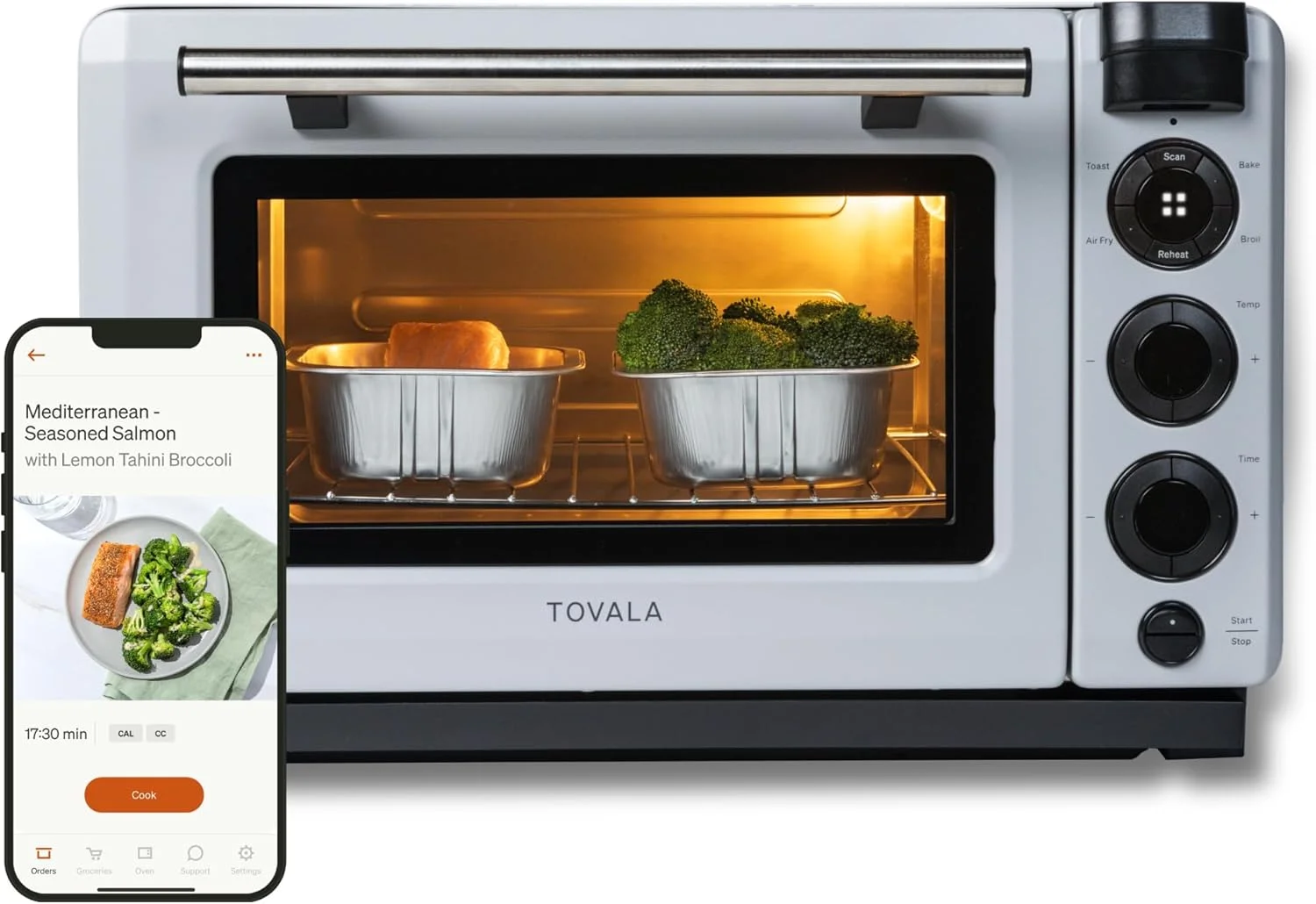
- Convection and Smart Ovens: Modern ovens, like the ones we’re passionate about at Oven Hi, come packed with features like convection fans, steam injectors, and smart technology. While these features revolutionize your cooking, they also add more moving parts and electronics. A high-quality convection fan is built to last, but it’s one more component that contributes to the overall complexity and potential for repairs down the line.
How Often Do You Use It?
Bảng trống.This one’s pretty straightforward. Are you a “Thanksgiving and Christmas only” user, or are you firing it up daily to perfect your sourdough starter? An oven used a few times a month will naturally experience less wear and tear than one that’s on for hours every single day. Heavy, consistent use will shorten its lifespan, making regular maintenance even more critical.
Are You Cleaning It Properly?
Let’s be honest, cleaning the oven is a chore nobody loves. But it’s one of the single most important things you can do to extend its life. Spills, grease, and baked-on food can:
- Corrode the interior lining over time, leading to rust.
- Damage the heating elements, causing them to work harder and fail sooner.
- Block airflow, leading to uneven cooking and inefficient performance.
- Become a fire hazard if left to accumulate.
Using the self-clean feature is great, but it puts the oven under extreme heat and stress. We recommend a gentle clean-up after messy spills and a deep clean every 3-6 months. We’ve got a great guide on [how to clean your oven without harsh chemicals] right here on our blog.
Telltale Signs Your Oven’s Best Days Are Behind It
No one wants to discover their oven has died in the middle of preparing a holiday dinner. Your oven will usually give you a few warning signs that it’s nearing the end of its road. If you spot any of these, it might be time to start browsing for a replacement.
- Inconsistent Temperatures: Is your cake burnt on the outside but raw in the middle? Are your recipes suddenly taking much longer to cook? This is a classic sign that the thermostat or heating elements are failing.
- Loud or Strange Noises: Ovens should be relatively quiet. Any new rattling, buzzing, or grinding sounds, especially when the convection fan is on, is a red flag.
- Visible Rust or Cracks: Check the interior and around the door. Rust on the inside can flake off into your food, and cracks in the cooktop or door can be a serious safety issue.
- The Door Doesn’t Seal Properly: A worn-out gasket around the oven door lets heat escape. This means your oven has to work harder to maintain temperature, wasting energy and putting extra strain on its components.
- Repair Costs Are Piling Up: The “50 percent rule” is a good one to follow. If a repair is going to cost more than half the price of a new, comparable oven, it’s almost always better to invest in a new appliance.
As Maria Petrova, a Culinary Appliance Engineer with over 20 years in the industry, often says, “An oven is a long-term relationship. The little things—wiping up spills, checking the door seal, not using harsh abrasives—are the acts of love that make that relationship last. Most premature oven failures I see are simply due to a lack of consistent, basic care.”
How to Make Your Oven Last Longer: Our Top Tips
You have the power to influence how long your oven should last. By adopting a few simple habits, you can easily push your oven’s lifespan closer to that 20-year mark.
- Wipe Up Spills Immediately: Once the oven cools, wipe away any drips or splatters. The longer they sit, the harder they are to remove, and the more damage they can do.
- Clean the Gasket: Use a damp cloth to gently clean the rubber or woven seal around the oven door. Avoid abrasive cleaners that can damage it. A tight seal is crucial for efficiency.
- Don’t Use Aluminum Foil on the Bottom: It seems like a clever trick to catch spills, but placing foil on the bottom of your oven can block airflow and, in some models, reflect heat in a way that damages the lower heating element or the enamel finish.
- Use the Self-Clean Feature Sparingly: As mentioned, this feature is intense. Use it maybe twice a year for a deep clean, but rely on manual cleaning for regular upkeep.
- Address Repairs Promptly: That weird noise or slightly-off temperature won’t fix itself. Calling a technician early for a small fix can prevent a catastrophic failure later on.
Choosing Your Next Oven: A Quick Comparison
When the time comes to find a new kitchen partner, the options can feel overwhelming. Here’s a quick breakdown to help you decide.
| Feature | Gas Oven | Electric Oven | Convection Oven | Smart Oven |
|---|---|---|---|---|
| Best For | Roasting, broiling, lower utility bills | Baking, precision, consistency | Even cooking, faster results, browning | Convenience, remote control, guided cooking |
| Heat Source | Open flame | Heating elements | Fan circulates heated air | Electric or Convection |
| Pros | Moist heat, fast pre-heating, durable | Dry, even heat, easy to install | Cooks up to 25% faster, multi-rack cooking | Pre-heats from your phone, scans barcodes |
| Cons | Can have hot spots, requires gas line | Slower pre-heating, can dry out roasts | Learning curve, may need recipe adjustment | Higher cost, relies on Wi-Fi |
Ultimately, the best oven is the one that fits your cooking style. Do you dream of perfectly crisp-skinned chickens? A gas or convection oven might be your star. Are you a passionate baker obsessed with flawless cakes? The even, dry heat of an electric oven is a dream come true. A smart oven, like our own Oven Hi models, is for the modern cook who values precision and convenience above all. Learn more about [choosing the perfect oven for your family] on our site.
Frequently Asked Questions
Is it worth repairing an oven that is 10 years old?
It depends on the cost. If the repair is simple and inexpensive (like replacing an igniter or a temperature sensor, which might cost $150-$300) and the oven is otherwise in good shape, it’s definitely worth it. If you’re looking at a major repair costing over $500, it’s probably time to put that money toward a new, more efficient model.
Do gas or electric ovens last longer?
Generally, gas ovens have a longer average lifespan. Their mechanics are simpler with fewer electronic components that can fail. However, a well-maintained, high-quality electric oven can easily outlast a poorly cared-for gas oven.
How often should I professionally service my oven?
Unlike an HVAC system, ovens don’t typically require annual professional servicing. However, if you notice any performance issues like uneven cooking or temperature fluctuations, it’s a good idea to have a professional technician calibrate it or diagnose the problem.
What is the most common part to fail on an oven?
For electric ovens, it’s the heating element. For gas ovens, it’s the igniter. Both of these parts are subjected to intense, repeated heating and cooling, which causes wear and tear over time. Fortunately, they are also among the most common and affordable parts to replace.
Your Oven, Your Kitchen’s Heart
So, how long should an oven last? While the numbers point to 10-15 years, the truest answer is that it will last as long as you care for it. By treating it with respect, cleaning it regularly, and paying attention to its performance, you can ensure your oven remains the warm, reliable heart of your kitchen for years and years. It’s the companion that helps you turn simple ingredients into memories, and that’s a partnership worth preserving.
What’s the oldest oven you’ve ever used? Share your stories and tips in the comments below! We’d love to hear them.
Frequently Asked Questions
Is it worth repairing an oven that is 10 years old?
It is worth repairing a 10-year-old oven if the repair cost is less than half the price of a new, comparable model. For instance, replacing an igniter or temperature sensor might cost $150-$300, making it a worthwhile fix if the oven is otherwise in good condition.
Do gas or electric ovens last longer on average?
Generally, gas ovens tend to have a longer average lifespan due to their simpler mechanics and fewer complex electronic components. However, a high-quality electric oven that receives consistent maintenance can easily outlast a poorly cared-for gas oven.
How often should I have my oven professionally serviced?
Ovens typically do not require annual professional servicing like HVAC systems. However, if you observe performance issues such as uneven cooking, temperature fluctuations, or unusual noises, it is advisable to have a professional technician diagnose and calibrate the appliance.
What is the most common part to fail in an oven?
The most common part to fail in electric ovens is the heating element, while for gas ovens, it is the igniter. Both components endure intense heating and cooling cycles, leading to wear and tear over time, but they are generally common and affordable to replace.
What are the signs that an oven is nearing the end of its life?
Key signs that an oven is nearing its end include inconsistent temperatures, loud or strange noises during operation, visible rust or cracks in the interior or door, and a door that no longer seals properly. These issues often indicate failing components or significant wear.
How to Make Your Oven Last Longer
Extend your oven's lifespan by following these simple maintenance and usage tips, potentially pushing its durability closer to 20 years.
Once the oven has cooled down, promptly wipe away any drips or splatters. Allowing spills to sit for extended periods makes them harder to remove and can cause more significant damage to the oven's interior.
Use a damp cloth to gently clean the rubber or woven seal around the oven door. Avoid using abrasive cleaners, as they can damage the gasket. Maintaining a tight seal is crucial for the oven's efficiency and temperature regulation.
Do not place aluminum foil directly on the bottom of your oven. While it may seem like a convenient way to catch spills, it can block airflow and, in some models, reflect heat in a manner that damages the lower heating element or the enamel finish.
The self-clean feature subjects the oven to extreme heat and stress. Use it sparingly, perhaps twice a year for a deep clean, and rely on manual cleaning methods for more regular upkeep and minor spills.
Do not ignore unusual noises or slight temperature inaccuracies. Calling a technician early for minor fixes can prevent these small issues from escalating into catastrophic failures, saving you from more expensive repairs or a full replacement later on.
Cooking gear we tested in our own kitchens
Free PDF — preheat times measured on 10 popular air fryers.
Fantastic read! I’ve been debating whether to replace my 14-year-old gas oven, which has been a workhorse. It’s good to know that gas ovens often push closer to the 15-year mark. I’m going to try some of the maintenance suggestions before I commit to a new purchase. Thanks for the practical advice!
I appreciate the breakdown on oven lifespans. My oven just died after only 7 years, which was really disappointing. I guess I didn’t do enough regular cleaning, which was probably a big factor. I wish there had been a bit more detail on specific repair costs to help decide if it’s worth fixing older models.
This was super helpful! I’ve always wondered about the lifespan of my appliances. My electric oven is going on 12 years now, and I was starting to think it was on its last leg. Knowing that 13 years is about average for electric models makes me feel a lot better about its current performance. I’m definitely going to be more diligent with the cleaning tips mentioned.
Good info here. I’ve had both gas and electric ovens over the years, and it’s true that my gas range from a decade ago felt like it could’ve kept going forever. My current electric one is only 8 years old, and I’m already seeing some uneven heating. I guess consistent maintenance really does make a difference, especially with the self-cleaning cycles.