Hey there, fellow food lover! Welcome to the Oven Hi family. Let’s talk about something that gets every home chef’s heart racing: upgrading the kitchen. You’re dreaming of those perfect golden-brown cookies, that show-stopping roast, and bread with a crust that sings. But then, reality—and your budget—kicks in. This is where a fantastic, pre-loved oven can save the day. This Used Oven Buying Guide is your secret weapon to snagging a brilliant bargain without getting burned. Think of me as your trusted sidekick, here to walk you through every step of the process. So, grab a cup of coffee, and let’s find the heart of your future kitchen.
Why Go Second-Hand? The Good, The Bad, and The Savvy
So, why are we even talking about used ovens? Is it really a good idea? The short answer: it absolutely can be, if you know what you’re doing. It’s a bit like buying a used car; with a little know-how, you can drive away in a premium model for a fraction of the price.
The Upside:
- Major Savings: This is the big one. You can often get a high-end, feature-packed oven from a premium brand for the price of a new, entry-level model. More bang for your buck means more money for quality ingredients!
- Eco-Friendly: Giving a great appliance a second life is a fantastic way to reduce waste. You’re keeping a perfectly functional machine out of a landfill. Go you!
- Proven Performance: Sometimes, older models are built like tanks. You might find a simple, reliable workhorse that has already stood the test of time.
The Downside:
- No Warranty: You’re usually buying “as is,” which means if it breaks down a week later, the cost of repairs is on you.
- Hidden Issues: Not every seller is completely honest. There could be underlying problems that aren’t obvious at first glance.
- Wear and Tear: It’s used, so expect some cosmetic scuffs or scratches. The key is to distinguish between cosmetic flaws and functional deal-breakers.
Your Ultimate Used Oven Buying Guide Checklist
Alright, let’s get down to the nitty-gritty. This is the core of our mission. When you go to inspect a potential oven, you need to transform into a kitchen detective. Here’s your step-by-step plan for success.
Step 1: The Homework Phase (Before You Even Leave Home)
Don’t just jump in the car. A little prep work can save you a world of headaches.
- Measure Everything: Measure your kitchen space twice. Note the width, height, and depth. Don’t forget to measure doorways and hallways you’ll need to navigate to get it into your kitchen. There’s nothing worse than buying your dream oven only to find it won’t fit through the door.
- Know Your Power: Is your kitchen set up for a gas or an electric oven? Check your connections. For electric ovens, confirm the voltage and plug type (most require a 240-volt outlet, which is much larger than a standard one). For gas, check the location of your gas line.
- Research the Model: Get the model number from the seller beforehand. A quick Google search can reveal the user manual, common problems, and original retail price. This gives you a massive advantage in understanding the appliance and in negotiating the price.
Step 2: The In-Person Inspection
This is where you put your detective hat on. Be thorough, be polite, and don’t be rushed.
- The Exterior: Look past the surface grime. Are there major dents or deep scratches, especially around the control panel or door? Check for rust, particularly at the base or on the back. A little surface rust might be okay, but significant corrosion is a red flag.
- The Door: This is crucial. Open and close the oven door several times. Does it feel solid and well-balanced, or is it loose and wobbly? Check the hinges for signs of strain.
- The Seal (Gasket): The rubber or woven seal around the oven door is vital for maintaining temperature. Is it brittle, cracked, torn, or covered in melted-on gunk? A bad seal means heat escapes, your oven works harder, your energy bills go up, and your food cooks unevenly. It’s a deal-breaker.
- The Interior: Grab a flashlight! Look at the oven cavity. Is the enamel coating chipped or cracked? Check the racks. Are they all there? Do they slide in and out smoothly? Look at the heating elements (the metal coils at the top and bottom). Do they look blistered, cracked, or broken?
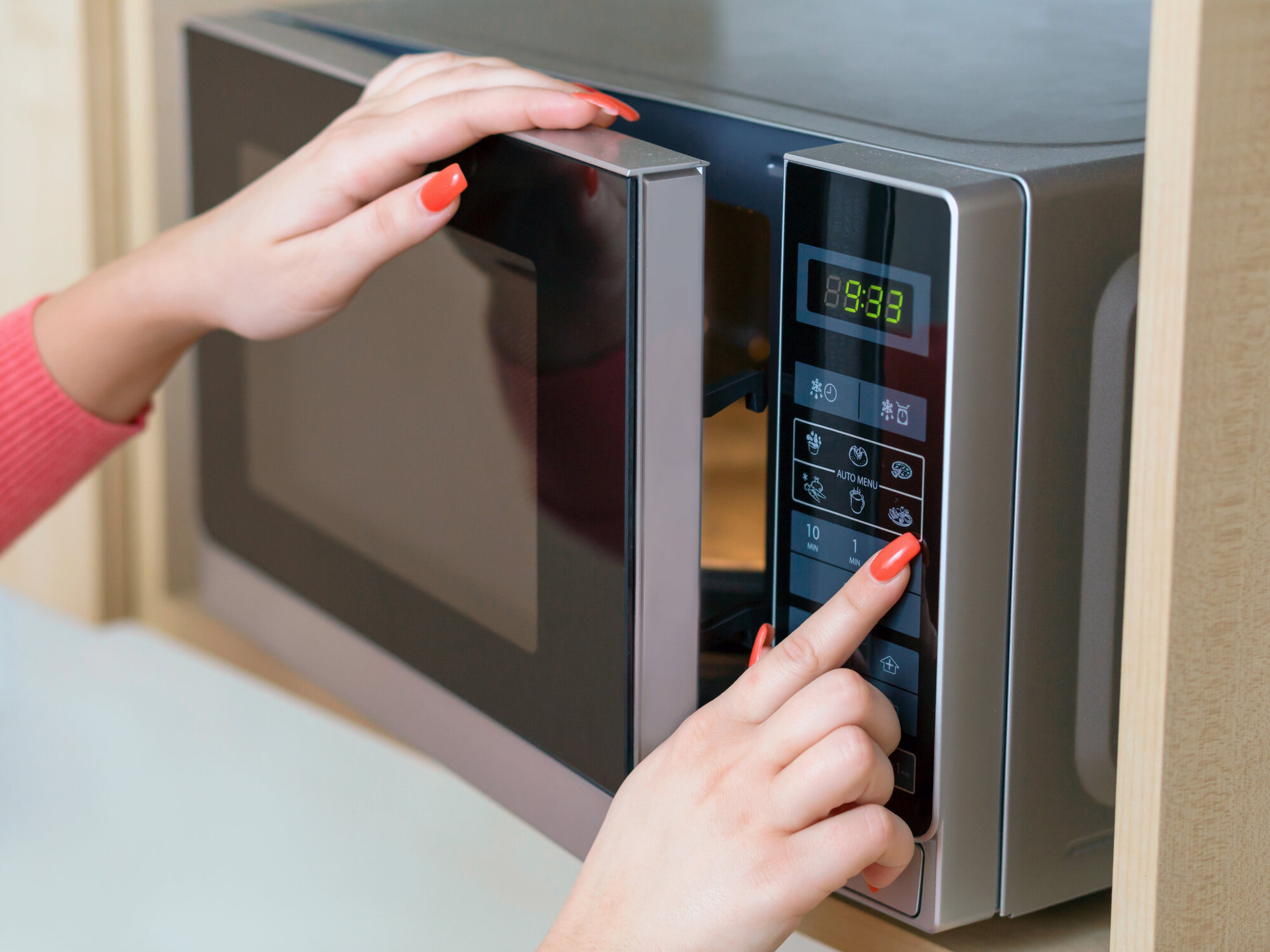
- The Knobs and Controls: Turn every knob and press every button. Do they feel responsive, or are they sticky, loose, or unresponsive? If it’s a digital display, are all the numbers and symbols lighting up correctly?
According to seasoned appliance technician, John Carter, “The number one thing people forget to check is the door seal. A faulty gasket can turn a great deal into a horribly inefficient appliance. It’s a simple check that tells you a lot about how the oven was cared for.”
Step 3: The Live Test
Never, ever buy a used oven without seeing it work. If a seller refuses to let you test it, walk away. Period.
- Ask the seller to plug it in or connect the gas. You want to see it in action.
- Turn it on. Set it to a baking temperature, say 350°F (175°C).
- Listen: Do you hear the gentle hum of the fan (if it’s a convection oven) or the click of the elements turning on? Or do you hear loud buzzing, clanking, or rattling? Strange noises are a bad sign.
- Smell: A faint, dusty smell is normal for an oven that hasn’t been used in a while. But a strong smell of gas (for a gas oven) or burning plastic is a major warning.
- Watch: Do the heating elements at the top (broil) and bottom (bake) glow a consistent, bright orange-red? Any spots that aren’t glowing indicate a faulty element.
- Feel the Heat: Wait for 10-15 minutes for it to preheat. Does the preheat indicator go off? Carefully open the door. Does it feel properly hot inside? Hold your hand near the closed door. Can you feel a lot of heat escaping? If so, that faulty door seal we talked about is to blame.
- Test the Features: Try the convection fan, the broiler, the oven light, and the timer. Test everything you plan on using.
What Kind of Used Oven Should You Look For?
The “best” type of oven really depends on your cooking style. Here are the common types you’ll find on the second-hand market and what to look for specifically.
| Oven Type | How It Works | What to Check Specifically |
|---|---|---|
| Electric Conventional | Heats with exposed or hidden elements at the top and bottom. | Check for cracks/blisters on both the bake and broil elements. Ensure they both glow red when turned on. |
| Gas | Uses a gas burner at the bottom for heat. | Safety first! Check for any smell of gas. Look at the burner—does the flame ignite quickly and burn a steady blue? A yellow, sputtering flame indicates a problem. |
| Convection | Adds a fan to circulate hot air for faster, more even cooking. | Turn on the convection setting. You should hear the fan start up smoothly. Listen for any rattling or grinding noises from the fan motor. |
| Smart Ovens | Ovens with Wi-Fi connectivity and advanced digital controls. | Try to connect it to Wi-Fi if possible. At a minimum, test every single function on the digital display to ensure the control board isn’t fried. |
Remember, simpler is often better when buying used. An oven with fewer digital components and fancy features often has fewer things that can break.
Frequently Asked Questions (FAQ)
Q: Is it safe to buy a used gas oven?
A: Yes, it can be safe, but it requires extra caution. Always have a qualified professional install a used gas oven to check for leaks and ensure it’s connected correctly. Never try to install it yourself unless you are certified.
Q: Where is the best place to find a used oven?
A: You can find great deals on platforms like Facebook Marketplace, Craigslist, or at appliance resale stores. Resale stores often test and offer a limited warranty, which can provide extra peace of mind for a slightly higher price.
Q: How much should I pay for a used oven?
A: A good rule of thumb is to aim for 25-50% of the original retail price, depending on its age, condition, and brand. Use your research on the model number to negotiate confidently.
Q: Can I replace a broken part, like a heating element?
A: Absolutely. For many common brands, parts like heating elements, knobs, and even door gaskets are relatively inexpensive and easy to find online. Factor this potential cost into your offer if you find a minor, fixable issue.
Q: What are some red flags that mean I should walk away immediately?
A: A strong smell of gas, a cracked glass cooktop (on a range), significant rust, a seller who won’t let you test it, or a wobbly door with broken hinges are all major red flags. Trust your gut.
Finding the perfect oven is about more than just cooking; it’s about building a space where memories are made, one delicious meal at a time. By following this used oven buying guide, you’re not just saving money—you’re making a smart, informed decision that will bring joy and creativity to your kitchen for years to come. Now go out there and find that hidden gem! We can’t wait to see what you’ll create.