Picture this: you’re in the zone. The gentle aroma of rosemary and garlic is beginning to fill your kitchen as your signature roast chicken slowly turns golden. Then, out of nowhere, a jarring sound shatters the peace. That familiar, comforting hum of your oven has been replaced by a rattling, grinding, or screeching. If your Oven Fan Is Making A Loud Noise, you’re not alone. It’s a common issue that can turn a peaceful baking session into a stressful ordeal. But don’t panic! Here at Oven Hi, we see your oven as the heart of your kitchen, and we’re here to help you diagnose the racket and restore the harmony. This guide will walk you through everything, from understanding your oven’s history to pinpointing the source of that pesky noise.
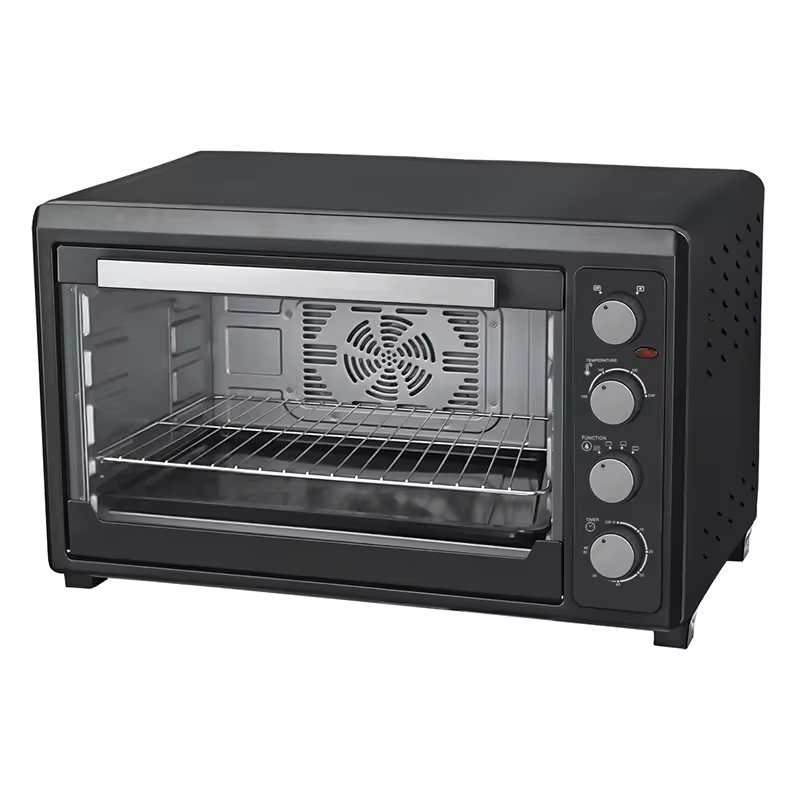
The Journey of the Oven: From Fire Pits to Smart Kitchens
Before we dive into troubleshooting, let’s take a moment to appreciate the incredible appliance that is your oven. The journey from open fires to the precise, versatile machines in our homes today is a fascinating story of innovation. Early humans used pits, but the first enclosed ovens, made of brick and tile, appeared centuries ago. The cast-iron stove revolutionized cooking in the 18th century, followed by gas ovens in the 1820s and electric ovens in the 1890s. Each step brought more control, efficiency, and of course, more delicious possibilities. The convection fan, the component likely causing your current headache, was a game-changer, introduced to residential ovens in the mid-20th century to ensure even cooking—a true gift to bakers everywhere.
What Are the Common Types of Ovens Today?
Understanding what kind of oven you have is the first step in any diagnosis. Modern kitchens feature a variety of ovens, each with unique features and functions that cater to different cooking styles.
The most common types include:
- Convection Ovens: These are the most likely culprits when an oven fan is making a loud noise. They use a fan to circulate hot air, which cooks food faster and more evenly. This fan is essential for crispy skins and perfectly browned baked goods.
- Conventional Ovens (Electric/Gas): These are the classics. They use a stationary heating element (at the bottom and often top for broiling) to cook food. They don’t have a circulation fan, so they are rarely the source of fan-related noises.
- Steam Ovens: These ovens inject steam into the cooking process, which is fantastic for baking bread with a perfect crust or cooking vegetables and fish while retaining moisture. They also contain fans and mechanical parts that can potentially become noisy.
- Smart Ovens: The new kids on the block, these Wi-Fi-enabled ovens can be controlled from your phone. They often combine convection, steam, and even air-frying capabilities, packing a lot of technology (and moving parts) into one box.
How Does My Oven Actually Work?
At its core, an oven is a simple concept: an insulated box that gets hot. But the magic is in the details. In a conventional oven, heating elements heat the air inside, and this hot air cooks your food through natural convection.
A convection oven, however, adds a fan and an extra heating element. This fan actively circulates the hot air, eliminating hot spots and wrapping your food in a consistent blanket of heat. This is why convection cooking is often faster. That fan, spinning at high speeds in a hot environment, is a hardworking component. Over time, it can become loose, obstructed, or its motor can wear out, leading to those disruptive sounds.
Choosing Your Perfect Kitchen Companion
Selecting a new oven can feel overwhelming, but it’s really about matching the appliance to your lifestyle. Are you a passionate baker who dreams of perfect croissants? Or a busy parent who needs to get dinner on the table fast?
“When choosing an oven, look beyond the price tag,” advises kitchen appliance expert John Carter. “Consider the oven’s capacity, its cooking functions, and its cleaning features. A self-cleaning function, for example, can be a lifesaver and can help prevent the buildup that might lead to future mechanical issues.”
Think about these factors:
- Size: How much space do you have, and how many people do you cook for?
- Fuel Type: Gas or electric? Gas offers responsive heat, while electric often provides more even, dry heat ideal for baking.
- Features: Do you need convection, steam, a proofing setting, or smart technology?
- Cleaning: Look for pyrolytic (high-heat) or steam self-cleaning functions to make maintenance easier.
Tips for Safe and Efficient Oven Use
Getting the most out of your oven isn’t just about the food; it’s also about using it wisely and safely.
- Preheat Properly: Always allow your oven to fully preheat before putting your food in. It’s the key to an even bake.
- Don’t Crowd the Oven: Leave space between your dishes for air to circulate. If air can’t move, you’ll get uneven results, even with a convection fan.
- Use the Right Cookware: Light-colored metal pans are great for even browning, while glass or dark pans absorb more heat and can cause bottoms to burn faster.
- Keep the Door Closed: Every time you open the oven door, the temperature can drop significantly, extending your cooking time. Trust the process (and your oven light!).
The Secret to a Long-Lasting Oven: Cleaning and Maintenance
Proper maintenance is the number one way to prevent problems, including an oven fan is making a loud noise. A clean oven is an efficient and happy oven.
How Can I Clean My Oven Safely?
The best approach is regular, gentle cleaning to prevent major buildup. After your oven has cooled completely, wipe up spills with a damp cloth. For tougher grime, a paste of baking soda and water is a fantastic, non-toxic solution.
For a deep clean:
- Remove the Racks: Soak them in hot, soapy water.
- Use the Self-Clean Feature (If you have one): Follow your manufacturer’s instructions exactly. Ensure your kitchen is well-ventilated, as the process can create fumes.
- Manual Cleaning: Apply a non-abrasive oven cleaner or your baking soda paste. Let it sit, then scrub gently and wipe clean.
- Clean the Fan Area: With the power off, gently wipe around the fan cover at the back of the oven to remove any grease buildup that could throw it off balance.
Why Your Oven Fan is Making a Loud Noise and How to Fix It
Okay, let’s get to the heart of the matter. You’ve come here because your oven fan is making a loud noise, and you want it to stop. The most common causes are an obstruction, a loose fan blade, or a failing motor.
Safety First! Before you attempt any inspection or repair, unplug your oven from the wall or turn it off at the circuit breaker. This is non-negotiable.
Cause 1: A Foreign Object or Obstruction
This is the best-case scenario and the easiest to fix. Sometimes a piece of aluminum foil, parchment paper, or food debris can get sucked toward the fan and hit the blades as they spin.
- The Sound: A light metallic scraping, rattling, or ticking noise.
- The Fix:
- Ensure the oven is off and completely cool.
- Open the door and remove the oven racks.
- Using a flashlight, inspect the area around the fan at the back of the oven. The fan is usually behind a protective cover or grille.
- If you see an obstruction, carefully remove it with your hands or a pair of tongs.
- Once clear, you can restore power and test the fan.
Cause 2: A Loose or Damaged Fan Blade
Over countless cycles of heating and cooling, the nut holding the fan blade to the motor shaft can work itself loose. A bent or damaged blade can also cause an unbalanced, noisy rotation.
- The Sound: A louder, more consistent clanging or vibrating sound that gets worse as the fan spins up.
- The Fix:
- Turn off the power and let the oven cool.
- Remove the racks. You will likely need to unscrew the fan cover on the back interior wall of the oven.
- Check the fan blade. Does it wiggle? If so, find the central nut and tighten it with a socket wrench. Be firm but don’t overtighten.
- Inspect each blade. Is one bent or chipped? If so, the entire fan blade assembly will need to be replaced. This is a common part you can often order online using your oven’s model number.
Cause 3: A Worn-Out Fan Motor
If there’s no obstruction and the fan blade is tight and undamaged, the problem may be the motor itself. The bearings inside the motor can wear out over time, leading to a loud noise.
- The Sound: A high-pitched squealing, a low, deep humming, or a grinding noise. The sound is often present even if the fan is spinning slowly.
- The Fix: Replacing a fan motor is a more advanced repair. While doable for a confident DIY-er, it involves disconnecting wiring and removing the motor from the back of the oven. If you are not 100% comfortable with this, this is the time to call a qualified appliance repair technician. It’s always better to be safe.
Frequently Asked Questions (FAQ)
Q1: Is a noisy oven fan dangerous to use?
If the noise is a light rattle from something like aluminum foil, it’s generally not dangerous, just annoying. However, if it’s a loud grinding or clanging, it could indicate a failing motor or a seriously unbalanced blade. It’s best to stop using the oven in convection mode until you’ve identified and fixed the problem to prevent further damage.
Q2: Can I still use my oven if the convection fan is making noise?
Yes, in most cases, you can still use your oven on a conventional bake setting that doesn’t activate the fan. Check your oven’s manual for modes like “Bake” or “Static Heat” that do not use the fan. This is a good temporary solution while you wait for a repair.
Q3: How much does it cost to fix a loud oven fan?
The cost varies greatly. If it’s a simple obstruction you clear yourself, it costs nothing. A replacement fan blade might cost between $20-$50. If you need to hire a technician to replace the fan motor, you can expect to pay anywhere from $150 to $400 or more, depending on your oven model and labor rates in your area.
Q4: Why does my oven fan only make noise when it’s cooling down?
Some ovens have a cooling fan (separate from the convection fan) that runs after the oven is turned off to protect the electronic components. If this fan is noisy, it’s subject to the same issues: obstruction, loose parts, or a failing motor. The diagnostic steps are similar.
Q5: How can I prevent my oven fan from getting noisy in the future?
Regular cleaning is key! Wipe down the interior of your oven frequently to prevent grease and debris from building up near the fan. When using foil, ensure it is secure and cannot be blown around by the circulating air.
Your Kitchen, Your Sanctuary
Your oven is more than just an appliance; it’s a vessel for creativity, comfort, and connection. It’s where simple ingredients are transformed into memories. When your oven fan is making a loud noise, it can disrupt that creative flow. By understanding the cause and knowing how to address it, you can quickly get back to what matters most: filling your home with the wonderful aromas and flavors of your next culinary masterpiece.
Have you ever dealt with a noisy oven fan? Share your experience or any tips you have in the comments below! We love hearing from our community of passionate home cooks.