Hey there, fellow food lover! Let’s talk about something we all know but sometimes wish we could forget: the aftermath of a truly spectacular meal. You know, the kind with the perfectly roasted chicken, the bubbling casserole, or that glorious fruit crumble. The joy, the flavors, the happy faces around the table… and then, the dreaded peek inside the oven. It’s a battleground of splatters and spills that have been baked into a stubborn, carbonized shell. Finding the Best Oven Cleaner For Baked On Grease can feel like a quest for a holy grail, but don’t you worry. As your friend from Oven Hi, I’m here to walk you through it, so you can get back to creating magic in the heart of your home.
That baked-on mess isn’t just an eyesore. It’s the ghost of dinners past, and frankly, it’s messing with your culinary mojo. But we’re going to banish it for good.
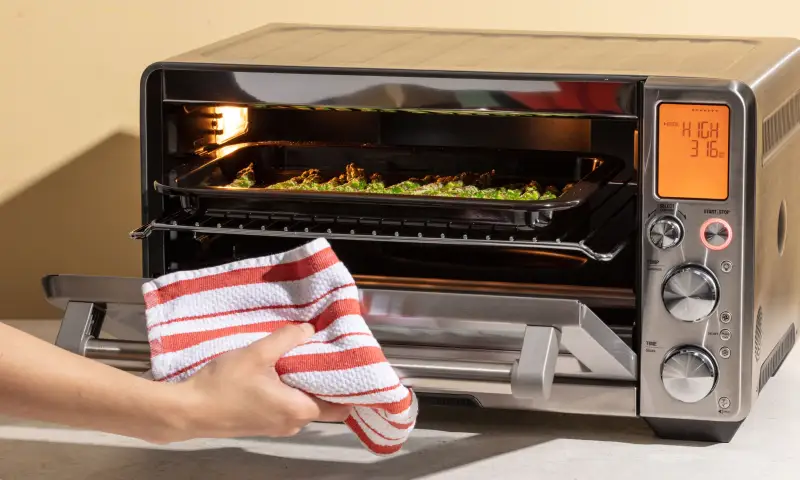
Why You Absolutely Must Tackle That Baked-On Grease
First off, what’s the big deal? Can’t you just close the door and ignore it?
In short, no. A clean oven is about more than just appearances. It’s about safety, taste, and efficiency. That buildup of old grease and food debris is a legitimate fire hazard. Plus, every time you preheat your oven, those old bits burn, releasing smoke and funky odors that can seep into your beautiful sourdough or delicate cheesecake. Yuck. A clean oven also heats more evenly and efficiently, saving you energy and ensuring your bakes are spot-on every time.
According to kitchen appliance expert John Carter, “A surprising number of performance issues, like uneven baking, can be traced back to a dirty oven. The built-up grime can block heat vents and interfere with the sensors that regulate temperature.”
The Great Debate: Commercial Power vs. DIY Purity
When it comes to oven cleaning, you’re standing at a fork in the road. One path leads to powerful, ready-to-use commercial cleaners, and the other leads to gentle, homemade solutions from your own pantry. Both can lead you to victory, but they take different routes.
| Feature | Commercial Oven Cleaners | DIY Oven Cleaners (e.g., Baking Soda & Vinegar) |
|---|---|---|
| Effectiveness | Extremely effective on heavy, old grease. | Good for regular maintenance and moderate grease. |
| Time | Often work quickly, some in minutes, others overnight. | Requires significant dwell time (often 12+ hours) and elbow grease. |
| Fumes | Can produce strong, caustic fumes. Fume-free options exist. | No harsh chemical smells; just the scent of vinegar. |
| Cost | More expensive per use. | Very inexpensive, using common household items. |
| Safety | Requires gloves, eye protection, and good ventilation. | Non-toxic and food-safe. |
Which is the Best Oven Cleaner for Baked On Grease?
This is the million-dollar question, isn’t it? The truth is, the “best” cleaner depends entirely on your oven, the severity of the mess, and your personal comfort level with chemicals.
For the Absolute Toughest, Baked-On Nightmares
If you’re dealing with a truly apocalyptic level of grime—we’re talking years of neglect—a heavy-duty commercial cleaner is likely your best bet. These are the products that mean business.
- What to look for: Products labeled “heavy-duty,” “fume-free” (if you’re sensitive to smells), or “overnight formula.”
- How they work: They use powerful alkaline chemicals, typically sodium hydroxide, to dissolve the carbonized grease into a wipeable sludge.
- Our tip: Always, and I mean always, wear gloves and safety glasses, and ensure your kitchen is well-ventilated. Follow the instructions on the can to the letter. This isn’t the time to improvise.
For Regular Maintenance and the Chemically-Conscious
If you prefer a gentler approach or are just tackling a more recent spill, a DIY solution is a fantastic, effective, and ridiculously cheap option. This is my personal go-to for monthly touch-ups.
How do you make the best oven cleaner for baked on grease at home?
You can create an incredibly effective, non-toxic oven cleaner with just two pantry staples: baking soda and water. This simple paste is the secret weapon for lifting grime without any harsh fumes, making it a strong contender for the best oven cleaner for baked on grease when you prefer a natural route.
Here’s the step-by-step guide to making and using this miracle paste:
- Remove the Racks: Take your oven racks out and set them aside. We’ll clean those separately.
- Mix Your Paste: In a small bowl, mix about 1/2 cup of baking soda with 3 tablespoons of water. Adjust as needed until you have a thick, spreadable paste, kind of like cake frosting.
- Apply Generously: Wearing gloves (it can dry out your hands), spread the paste all over the interior surfaces of your oven. Don’t be shy! Pay extra attention to the really grimy spots. Try to avoid the heating elements.
- Let It Sit: This is the most important step. Close the oven door and let the paste work its magic for at least 12 hours, or overnight. Patience is key here.
- Wipe It Out: The next day, take a damp cloth and start wiping out the paste. It will have turned brown as it absorbed the grease. A plastic scraper or spatula can help with any stubborn bits.
- The Vinegar Spritz: Put a little white vinegar in a spray bottle. Spray it anywhere you see leftover baking soda residue. The vinegar will react with the soda, causing it to foam gently, making it easier to wipe away.
- Final Rinse: Go over the entire oven one last time with a clean, damp cloth. Let it air dry completely before using it again.
A Special Note on Self-Cleaning Ovens
Modern ovens, like many of our beloved Oven Hi models, often come with a self-clean feature. This is a game-changer! But it also comes with its own set of rules.
Bảng trống.What is a self-cleaning oven and how does it work?
A self-cleaning oven uses either extremely high heat (pyrolytic cleaning) or steam (aquatic/steam cleaning) to break down food soil. Pyrolytic cycles heat the oven to around 900°F (500°C), incinerating grease and spills into a fine white ash that you simply wipe away once the cycle is complete and the oven has cooled.
Crucial Point: You should never use any type of commercial or DIY oven cleaner inside an oven with a self-cleaning feature. The chemicals can damage the special enamel coating designed to withstand the high-heat cycle, potentially ruining your oven. Trust the technology! Just remove the racks (unless they are specifically rated for self-cleaning), lock the door, and let your oven do the work.
Frequently Asked Questions (FAQ)
Q1: How often should I deep clean my oven?
A: For most home cooks, a deep clean every 3 to 6 months is sufficient. You should, however, wipe up any major spills as soon as the oven has cooled to prevent them from baking on in the first place.
Q2: Can I use the best oven cleaner for baked on grease on my oven racks?
A: Yes, in most cases. The easiest way to clean racks is to place them in a large trash bag, spray them thoroughly with your chosen commercial oven cleaner, seal the bag, and leave it outside overnight. The next day, just rinse them off with a hose. For a DIY method, soak them in hot water and dishwasher soap in your bathtub.
Q3: Are the fumes from oven cleaners dangerous?
A: Fumes from traditional, heavy-duty oven cleaners can be irritating to the respiratory system. It is critical to ensure maximum ventilation by opening windows and using a fan. Alternatively, opt for one of the many effective fume-free formulas now available.
Q4: What is the fastest way to clean baked-on grease?
A: The fastest method is typically a fast-acting commercial chemical cleaner. However, “fastest” doesn’t always mean “best.” The overnight DIY baking soda method, while it takes longer, requires significantly less active scrubbing time.
Q5: Can I use steel wool inside my oven?
A: It’s generally not recommended. Steel wool is very abrasive and can scratch and damage the oven’s interior lining, making it more difficult to clean in the future and potentially leading to rust. Stick to non-abrasive scouring pads or a plastic scraper.
Bringing Back the Joy of a Sparkling Clean Oven
So, there you have it. The battle against baked-on grease is one you can absolutely win. Whether you choose the formidable power of a commercial product or the gentle, persistent approach of a homemade paste, the goal is the same: to restore your oven to its sparkling, efficient glory.
A clean oven is more than just a tidy appliance; it’s a blank canvas for your next culinary adventure. It’s a promise of pure flavor and perfect bakes. By taking the time to care for it, you’re investing in countless future meals and memories. So go forth, conquer that grime, and remember that we at Oven Hi are always here, cheering you on. Now that you’re equipped with the knowledge to find the best oven cleaner for baked on grease, what delicious creation will you bake first?