Let’s be honest, we’ve all been there. You’re looking at your oven, and you see that drawer at the bottom. For years, maybe you’ve used it as the unofficial home for baking sheets, pans, and that one roasting rack you only use at Thanksgiving. But have you ever stopped to wonder, What Is The Warming Drawer On An Oven For in the first place? If you think it’s just for storage, you’re about to unlock a feature that will completely change your kitchen game.
Here at Oven Hi, we believe your oven is the heart of your home—a companion in your culinary adventures. And that often-overlooked drawer? It’s not just an empty space; it’s a secret weapon. It’s the key to serving perfectly hot meals, baking flawless bread, and hosting dinner parties like a seasoned pro. Let’s pull back the curtain on this unsung hero of the kitchen.
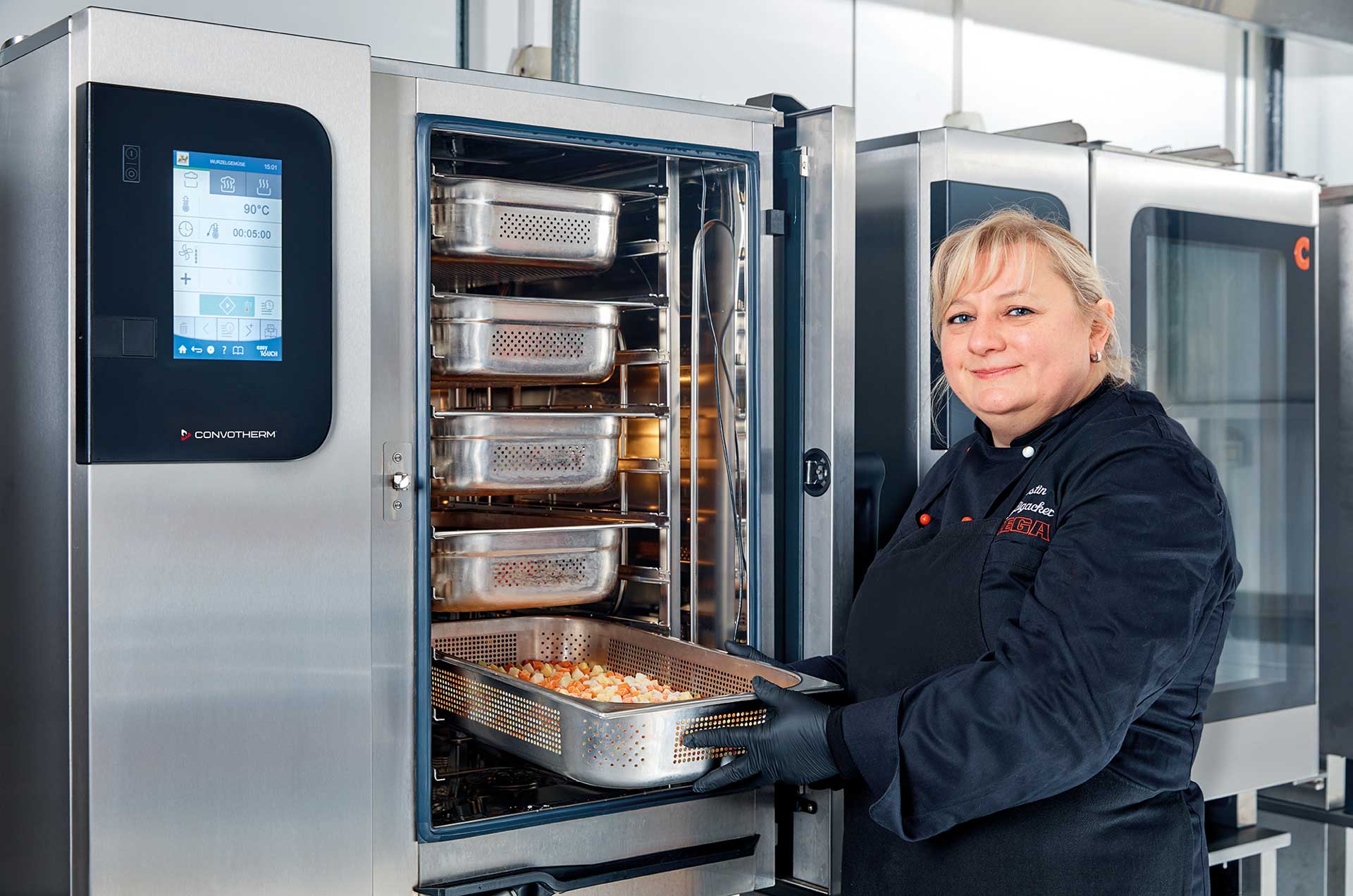
So, What Exactly is an Oven Warming Drawer?
A warming drawer is a small, enclosed compartment, usually located beneath the main oven cavity, designed to maintain food at a low, consistent temperature. Its primary job is to keep cooked dishes hot and ready to serve without actually continuing to cook or dry them out. Think of it as a holding station that preserves the perfect texture and temperature of your food until you’re ready to eat.
Unlike a microwave that can make food rubbery or an oven that might overcook it, a warming drawer uses gentle, controlled heat. Many models also have humidity controls to prevent everything from your roasted chicken to your dinner rolls from drying out. It’s the difference between a frantic, last-minute rush and a calm, collected serving experience.
Beyond Keeping Dinner Warm: Creative Uses for Your Warming Drawer
Okay, so its main gig is keeping food warm. That’s great for those nights when your family’s schedules don’t quite sync up. But the true magic of the warming drawer lies in its versatility. Once you know its potential, you’ll wonder how you ever lived without it.
The Ultimate Tool for the Host with the Most
Picture this: you’re hosting a big holiday dinner. The turkey is resting, the mashed potatoes are fluffy, the green bean casserole is bubbly, and the gravy is simmering. The only problem? They’re all ready at different times. This is where your warming drawer shines. You can place each finished dish inside, and it will hold them all at the perfect serving temperature. No more cold side dishes or lukewarm gravy. Everything hits the table hot, fresh, and delicious. It’s your secret to a stress-free feast.
A Baker’s Secret Weapon: Proofing Dough to Perfection
If you’re a baker, you know that proofing dough can be a finicky process. It needs a warm, stable, draft-free environment to rise properly—something that can be hard to find in a busy kitchen.
Enter the warming drawer.
By setting it to the lowest temperature (usually around 80-100°F or 27-38°C), you create the perfect little incubator for your bread or pizza dough. This consistent warmth encourages the yeast to activate, resulting in a faster, more reliable rise. It takes all the guesswork out of proofing.
Slow Cooking and Tenderizing Meats
While it’s not a dedicated slow cooker, a warming drawer with a high-temperature setting can work in a pinch for certain dishes. You can use it to slow-roast a cut of beef or pork for hours until it’s fall-apart tender. It’s also fantastic for braising tough cuts of meat after you’ve seared them on the stovetop. Just place your Dutch oven in the drawer and let the low, consistent heat work its magic.
As our lead kitchen expert at Oven Hi, Maria Chen, always says, “Think of the warming drawer as a gentle hug for your food. It’s not about aggressive heat; it’s about maintaining perfection.”
Warming Plates and Bowls Like a Pro
Ever been to a fancy restaurant and noticed how the plates are warm to the touch? It’s a small detail that makes a huge difference, keeping your food hotter for longer. You can easily replicate this at home. About 15-20 minutes before serving, place your stack of plates or bowls in the warming drawer. Serving a hot soup in a pre-warmed bowl is a simple touch of luxury that elevates any meal.
How to Use Your Warming Drawer Effectively
Ready to put your drawer to work? It’s incredibly simple, but a few tips will ensure you get the best results every time.
Understanding the Controls
Most warming drawers have a simple control knob or digital display with settings like Low, Medium, and High. Here’s a general guide to what those mean:
- Low (approx. 80-120°F / 27-49°C): Perfect for proofing bread, warming plates, or keeping delicate items like dinner rolls soft.
- Medium (approx. 140-170°F / 60-77°C): This is your go-to setting for holding most cooked foods—casseroles, cooked vegetables, and main courses. This is the “food safe” zone.
- High (approx. 175-210°F / 79-99°C): Ideal for keeping fried foods crispy or for heartier dishes that need to stay piping hot.
Some models also feature a moisture control vent. You can open it to let steam escape (great for crispy foods like french fries) or close it to trap moisture (perfect for keeping mashed potatoes creamy).
Tips for Best Results
- Use Oven-Safe Dishes: Only place dishes that are rated as oven-safe in the warming drawer. This includes glass, ceramic, and metal.
- Cover Your Food: For most dishes, covering them with a lid or foil will help retain moisture and prevent a “skin” from forming on top.
- Don’t Overcrowd: Allow for some air circulation around the dishes for even heating.
- Preheat It: Just like your main oven, allow the warming drawer a few minutes to preheat before you place food inside.
- Don’t Use It for Storage: It might be tempting, but avoid storing plastic containers, cookbooks, or your favorite pans in there. You’ll thank yourself the day you accidentally turn it on with a plastic lid inside!
Is My Drawer a Warming Drawer or Something Else?
This is a common and important question. Not every drawer under an oven is a warming drawer. There are generally two other possibilities.
The Warming Drawer vs. The Broiler Drawer
On many gas ranges, the bottom drawer is actually the broiler. The easiest way to tell the difference is to look inside. A broiler drawer will have a visible heating element (the broiler) at the top of the compartment and will come with a broiler pan. A warming drawer will have its heating element hidden, usually in the bottom or sides, and will have its own temperature controls.
The Simple Storage Drawer
On some ovens, particularly more basic or older models, the bottom drawer is exactly what it looks like: a storage drawer. It has no heating element and no controls. If your drawer is just an empty metal box, it’s meant for storing your cookware.
Frequently Asked Questions (FAQ)
Q1: Can I cook raw food in a warming drawer?
No, you should never cook raw food in a warming drawer. It is not designed to reach temperatures high enough to cook food safely and kill harmful bacteria. It is only meant for keeping already-cooked food hot.
Q2: How long can I keep food in the warming drawer?
As a general rule, you can safely hold food for up to two hours. For food safety, dishes should be held at 140°F (60°C) or higher. After a few hours, even with humidity controls, food quality may begin to decline.
Q3: What temperature is a warming drawer?
Warming drawer temperatures typically range from about 80°F to 210°F (27°C to 99°C), depending on the model and the setting (Low, Medium, or High).
Q4: Can I reheat cold leftovers in the warming drawer?
It’s not recommended. A warming drawer heats too slowly, which could allow bacteria to grow on food as it sits in the “danger zone” (40-140°F or 4-60°C) for too long. Always reheat leftovers thoroughly in a microwave or conventional oven first, then transfer them to the warming drawer to hold.
Q5: What should I do if my warming drawer isn’t heating up?
First, check to make sure it’s turned on and the controls are set correctly. Consult your oven’s user manual. If it’s still not working, it may be an issue with the heating element or thermostat, and you may need to contact a service technician.
Your Kitchen’s New Best Friend
So, that drawer you’ve been ignoring is so much more than extra storage space. It’s a tool for convenience, creativity, and culinary perfection. It’s the silent partner that works behind the scenes to make every meal a success. Now that you know what the warming drawer on an oven is for, it’s time to clear out the baking sheets, fire it up, and discover a whole new level of control and confidence in your kitchen.
We’d love to hear how you use your warming drawer! Do you have a creative tip or a story about how it saved your dinner party? Share your experiences in the comments below and let’s inspire each other.