Let’s be honest, we’ve all been there. You’re unloading the dishwasher, looking for a place to stash that extra baking sheet, and your eyes land on the drawer at the very bottom of your oven. For many of us, it’s a metallic no-man’s-land, a convenient but forgotten home for pots, pans, and the occasional cookie rack. But have you ever stopped to wonder What Is The Bottom Drawer Of An Oven For originally? You might be surprised to learn it’s not always meant for storage.
Here at Oven Hi, we believe your oven is the heart of your kitchen—a creative partner full of secrets waiting to be discovered. That mysterious bottom drawer is one of its best-kept secrets. Depending on your oven’s model and fuel type, that drawer could be a powerful warming drawer, a high-heat broiler, or yes, simply a storage space. Unlocking its true purpose can completely change your cooking game. So, let’s pull it open and find out what’s really going on in there.
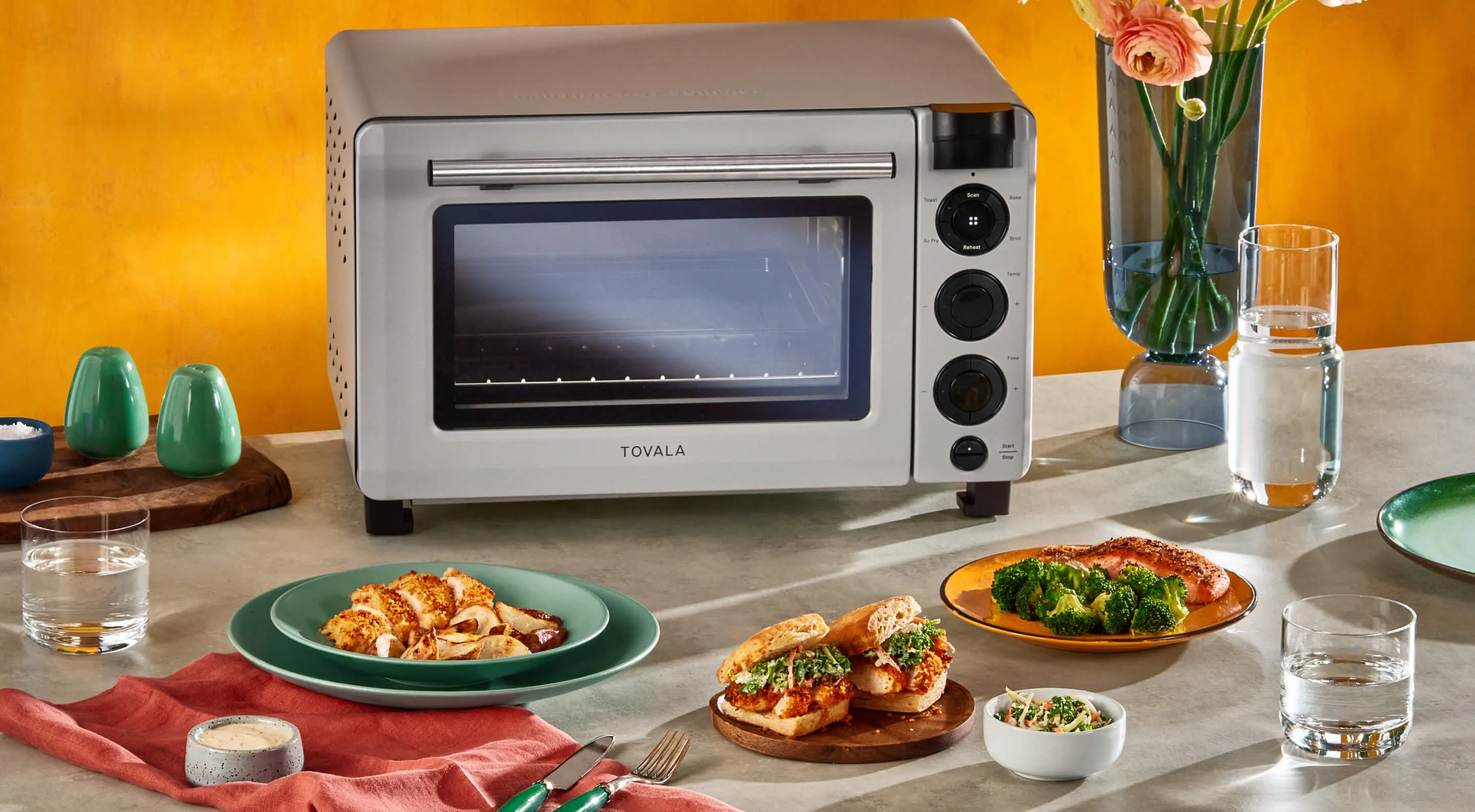
The Great Kitchen Mystery: Broiler, Warmer, or Storage?
That little drawer isn’t a one-size-fits-all feature. Its function is one of the most common points of confusion for home cooks. Essentially, there are three possibilities, and figuring out which one you have is the first step to becoming a true oven master.
1. The Broiler Drawer
If you have a gas oven, especially a slightly older model, there’s a good chance you’re looking at a broiler drawer.
How it works: In many gas ranges, the main gas burner is located at the bottom of the oven cavity. The heat from this flame rises to bake and roast your food. However, this same flame can also be used for broiling. The drawer underneath provides close, direct access to the intense radiant heat from that flame, turning it into a high-powered broiler. It’s perfect for getting that beautiful, bubbly crust on a casserole or a perfect sear on a thin steak.
2. The Warming Drawer
Many modern electric ovens have repurposed this space into a dedicated warming drawer. This is a game-changer for anyone who loves to entertain or has a family with staggered meal times.
How it works: A warming drawer uses a separate, low-powered heating element to maintain a consistent, gentle heat, typically between 140°F and 200°F (60°C to 93°C). It’s not designed to cook food, but rather to keep your cooked dishes at the perfect serving temperature without drying them out. Think of it as your secret weapon for serving hot meals to everyone, even the latecomers.
A Pro Tip from Our Kitchen: As kitchen appliance expert, John Carter, often says, “The warming drawer is the most underutilized feature in the modern kitchen. Use it to warm your plates before serving a special meal. It’s a small touch that makes a huge difference.”
3. The Storage Drawer
And then, of course, there’s the most common use: the storage drawer. On many ovens, particularly electric models and those at a more accessible price point, the bottom drawer is exactly what it seems to be—a simple, unheated drawer designed for storage. It’s the perfect spot for your Oven Hi baking stones, muffin tins, and other flat cookware.
How Can I Tell Which Type of Drawer I Have?
So, what is the bottom drawer of an oven for in your kitchen? It’s time to play detective. Here’s a simple step-by-step guide to identify your drawer’s true calling.
- Consult the Manual: This is the most foolproof method. Your oven’s user manual will explicitly state the function of the bottom drawer. If you’ve lost the paper copy, a quick search online with your oven’s model number will usually bring up a digital PDF.
- Look for Controls: A dedicated warming drawer will have its own controls. Look for a small switch, dial, or button on the oven’s main control panel labeled “Warming Drawer,” “Warm,” or with temperature settings. If you see these, you’ve hit the jackpot.
- Peek Inside: Open the drawer and look around.
- A broiler drawer will often have a broiler pan with a slotted rack included. You’ll also see the exposed heating element or gas flame vents at the very top of the drawer’s cavity.
- A warming drawer might have a humidity vent or a smooth, finished interior, with the heating element hidden beneath the surface.
- A storage drawer will look just like a regular drawer, with an unfinished metal interior and often the drawer tracks visible on the sides.
- Feel the Heat (Carefully!): If you’re still unsure, turn your oven on to a baking setting like 350°F (175°C). After about 10-15 minutes, carefully feel the outside of the drawer. If it gets significantly warm, it’s likely just a storage drawer that gets residual heat. Do not place your hand inside. If it’s a broiler, it will get dangerously hot. If it’s a warming drawer, it will only heat up when you activate its specific controls.
Unlocking Your Oven’s Full Potential
Now that you know your drawer’s identity, let’s put it to work! Your Oven Hi is more than just a box that gets hot; it’s a versatile tool.
If You Have a Warming Drawer…
You’re in for a treat. This isn’t just for keeping the mashed potatoes warm on Thanksgiving.
- Proofing Dough: The gentle, consistent heat is the perfect environment for proofing bread or pizza dough, helping it rise beautifully.
- Warming Plates and Bowls: Serving a hot soup in a cold bowl is a culinary tragedy. Warming your dishes beforehand elevates the entire dining experience.
- Keeping Takeout Hot: Picked up pizza but waiting for a friend to arrive? The warming drawer keeps it perfectly crisp and hot.
- Slow-Cooking: Some high-end warming drawers can even be used for slow-cooking certain dishes, like a tender beef brisket. Always check your manual first.
If You Have a Broiler Drawer…
Welcome to the world of high-heat cooking. A broiler drawer cooks food from the top down with intense, direct heat.
- The Perfect Melt: Get that golden-brown, bubbly cheese on French onion soup or a tuna melt.
- Charring Vegetables: Give bell peppers, onions, or asparagus a delicious char for added flavor.
- Crisping Up Skin: Finish a roasted chicken by placing it in the broiler for a few minutes to get irresistibly crispy skin.
- Quick Searing: For thin cuts of meat or fish, a broiler can give you a fantastic sear in minutes.
A Quick Look at Oven Evolution
The function of the bottom drawer is deeply tied to the history of ovens. Early gas ranges needed a design that accommodated their flame source, making the bottom broiler a logical choice. As electric ovens became more popular, manufacturers had more flexibility. The heating elements could be placed anywhere, freeing up the bottom space. This led to the rise of the storage drawer as a default and, later, the invention of the specialized warming drawer as a luxury feature.
Today, whether you have a smart oven that can be controlled from your phone or a classic gas range, understanding every feature—including that bottom drawer—helps you get the most out of your appliance. Choosing the right oven depends on your cooking style. Do you entertain often? A warming drawer might be a must-have. Are you an avid baker? You might prioritize convection technology over the bottom drawer’s function.
Safety First: Bottom Drawer Dos and Don’ts
Regardless of its function, it’s crucial to use your oven’s bottom drawer safely. Answering what is the bottom drawer of an oven for also means understanding what it’s not for.
- DON’T store flammable items in any bottom drawer. This includes paper, cookbooks, plastic containers, and kitchen towels. Even in a storage drawer, residual heat from the oven can create a fire hazard.
- DO keep the drawer and its tracks clean. Spills and crumbs can become a fire risk, especially in a broiler drawer.
- DON’T store pots and pans in a broiler or warming drawer. It’s not designed to hold that weight and can damage the drawer mechanism or the heating element.
- DO leave the drawer slightly ajar when broiling, if your manual recommends it. This prevents overheating and allows steam to escape.
- DON’T ever use a storage drawer for cooking or warming food. It lacks the proper ventilation and temperature controls, making it unsafe.
Frequently Asked Questions (FAQ)
Q1: Can I store my baking sheets in a warming drawer if I never turn it on?
A: It’s generally not recommended. Warming drawers are not built to support the weight of heavy cookware, and you risk damaging the sliding mechanism or the heating element underneath. It’s best to use it only for its intended purpose.
Q2: Why does my gas oven’s bottom drawer get so hot when I bake?
A: This typically indicates you have a broiler drawer. The gas flame used for baking is located right above it, so a significant amount of heat radiates downward. It’s a clear sign that you should not be storing anything inside.
Q3: How hot does a broiler drawer get?
A: A broiler drawer gets extremely hot, very quickly. Temperatures can easily exceed 500-550°F (260-290°C) right near the flame, which is why it’s so effective for searing and melting.
Q4: Is a warming drawer the same as a proofing drawer?
A: While a warming drawer can be used to proof dough, some high-end ovens have a dedicated “Proof” setting that maintains a lower, more precise temperature and humidity level specifically for baking. However, for most home bakers, a warming drawer on its lowest setting works perfectly well.
Q5: My drawer seems to be just for storage. Is it safe to store anything in there?
A: Yes, if it’s a dedicated storage drawer. However, stick to metal and glass cookware like baking sheets, pans, and racks. Avoid plastics, paper, or linens due to the residual heat that escapes from the oven during and after use.
Your Kitchen Companion Awaits
So, the next time you glance at that humble drawer, you’ll see it in a new light. It’s not just a forgotten space; it’s a feature with a purpose, a hidden tool waiting to make your life in the kitchen easier and more delicious. By understanding what is the bottom drawer of an oven for, you’ve taken another step toward mastering your culinary craft.
Your Oven Hi is more than an appliance; it’s a partner on your journey of flavor and discovery. Now we’d love to hear from you! Go check your oven and tell us in the comments below—do you have a broiler, a warmer, or a storage drawer?