Ever pull a tray of cookies from the oven, only to find the ones in the back are perfectly golden while the front row looks a little pale and sad? Or maybe you’ve wrestled with a roast chicken, desperately trying to get that crispy, golden-brown skin all over, not just on top. If you’re nodding along, you’ve likely stumbled upon the big kitchen question: Is A Convection Oven Worth It? It’s a feature touted on many modern ovens, but it often comes with a slightly higher price tag and a bit of a learning curve. So, let’s pull up a chair, grab a cup of coffee, and have a real chat about it. As your friend in all things baking and cooking here at Oven Hi, I’m here to demystify the magic behind that little fan button and help you decide if it’s the right move for your kitchen.
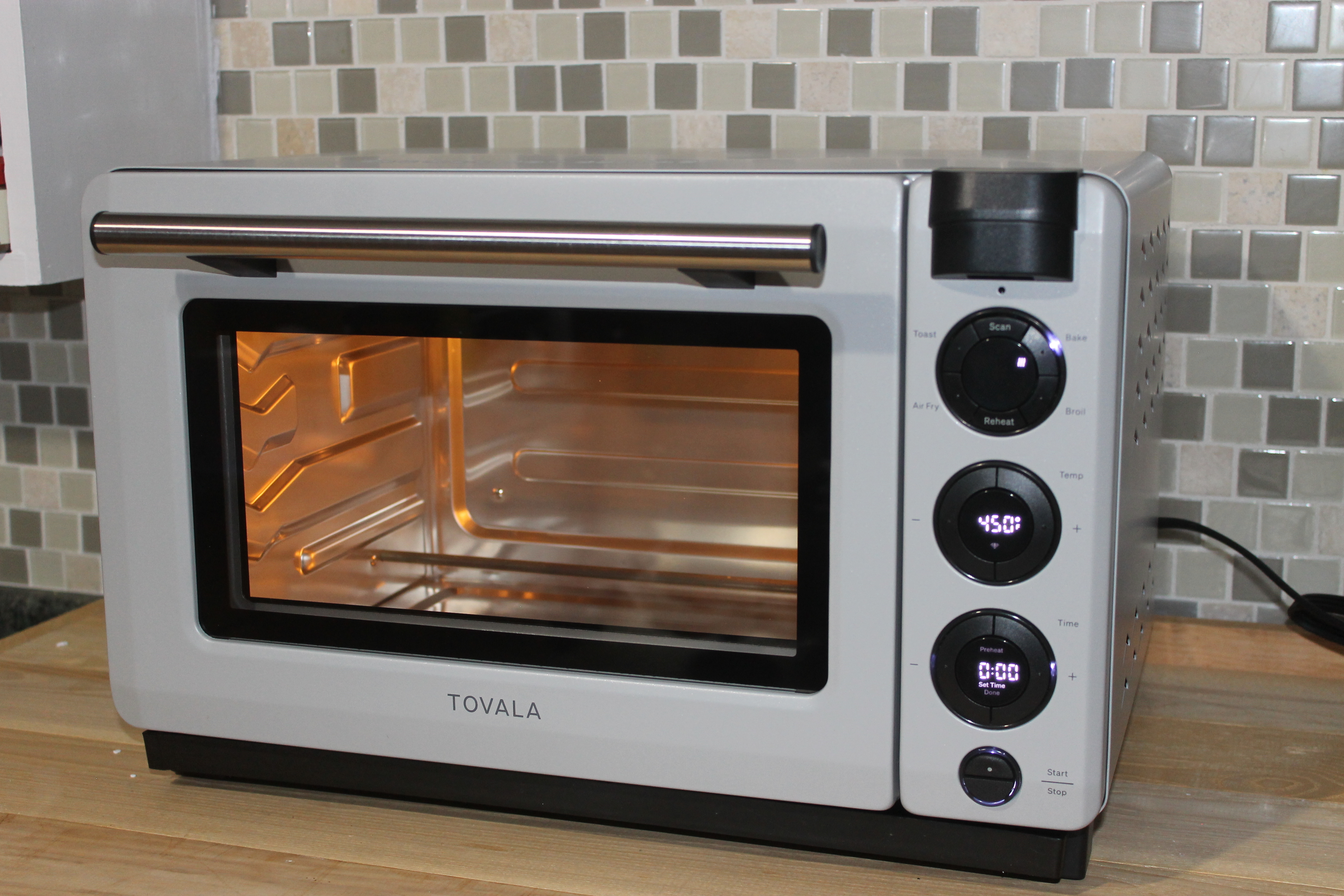
First Things First: What Exactly Is a Convection Oven?
Before we can decide if it’s worth the investment, we need to understand what we’re talking about. At its core, a convection oven is very similar to a conventional oven you’ve always used. It has heating elements at the top and bottom to generate heat. The key difference, the real star of the show, is a built-in fan and exhaust system.
A conventional oven relies on radiant heat, which can be uneven and create “hot spots.” A convection oven uses a fan to circulate that hot air, creating a consistent, even temperature throughout the entire oven cavity.
Think of it this way: a conventional oven is like a calm, hot summer day. A convection oven is like that same hot day, but with a steady, blowing breeze. That moving air, or wind chill effect, transfers heat more efficiently to the surface of your food, which is where all the magic happens.
The Big Showdown: Convection vs. Conventional Ovens
So, what does that circulating air actually do for your food? This is where the “is a convection oven worth it” debate really heats up. The benefits are tangible and can seriously elevate your cooking game.
Faster, More Even Cooking
This is the number one reason people fall in love with convection. By eliminating hot spots and surrounding your food with consistent heat, a convection oven can cook food up to 25% faster than a conventional oven.
- No More Tray-Swapping: Remember those cookies? With convection, you can bake two or even three sheets at once and have them all come out perfectly and evenly browned. No more halfway-through-baking gymnastics, rotating and swapping trays.
- Perfectly Roasted Meats: That circulating air ensures your Thanksgiving turkey or Sunday roast chicken cooks evenly from all sides, resulting in juicy meat and—most importantly—crispy skin all around.
Better Browning and Crisping
If you’re a fan of that gorgeous, deep-brown color on roasted vegetables or the crackly crust on a loaf of bread, convection is your best friend. The fan helps to create a drier environment inside the oven, which is ideal for caramelization and the Maillard reaction—the chemical process that gives browned food its distinctive, delicious flavor. It’s the secret to achieving that “restaurant-quality” finish at home.
Energy Efficiency
It might sound counterintuitive since there’s an extra fan running, but convection ovens are often more energy-efficient. Because they cook food faster, they’re running for a shorter period. Plus, you can typically set the temperature about 25°F (around 15°C) lower than a recipe calls for and still get the same, or even better, results. Over time, this can lead to noticeable savings on your energy bill.
Bảng trống.When Should I Use the Convection Setting?
Okay, the benefits sound great, but when do you actually push the button? Deciding when to use the convection setting is key to getting your money’s worth. Here’s a quick guide.
Turn it ON for:
- Roasting: For meats like chicken, turkey, and beef, and for vegetables like potatoes, broccoli, and carrots. It will give you that coveted crispy-on-the-outside, tender-on-the-inside texture.
- Baking Cookies and Pies: It ensures even baking across the entire sheet and helps pie crusts become beautifully flaky and golden.
- Toasting and Dehydrating: The constant airflow is perfect for making crunchy croutons, toasting nuts, or even dehydrating fruits.
- Anything You Want Crispy: Think pizza with a perfectly cooked crust, or reheating leftovers like french fries without them turning soggy.
But Wait, Are There Times I Shouldn’t Use Convection?
Yes, absolutely! This is a crucial piece of the puzzle. A convection oven is a powerful tool, but it’s not the right tool for every job. The powerful airflow can be a bit too much for delicate dishes.
“The circulating air in a convection oven can be a detriment to delicate batters,” notes Julia Peterson, a pastry chef and Oven Hi culinary consultant. “For things like custards, cheesecakes, and soufflés, the gentle, still heat of a conventional oven is what you need to prevent them from curdling, cracking, or collapsing.”
Turn it OFF for:
- Delicate Cakes: Especially soufflés, angel food cake, and other light, airy cakes that need to rise slowly and set undisturbed.
- Custards and Flans: These need a moist, gentle heat to cook evenly. The dry air of a convection oven can make them rubbery.
- Quick Breads and Muffins: The fan can cause the batter to set on the outside before the inside has had a chance to fully rise, resulting in a lopsided or dense final product.
How to Convert Recipes for a Convection Oven
Ready to give it a try? Don’t just turn on the fan and hope for the best. Most recipes are written for conventional ovens, so you’ll need to make a couple of simple adjustments.
- Lower the Temperature: As a general rule, reduce the oven temperature recommended in the recipe by 25°F (or about 15°C). The moving air makes the oven more efficient, so you don’t need as much raw heat.
- Check for Doneness Early: Since things cook faster, start checking your food about two-thirds or three-quarters of the way through the recommended cooking time. You can always add more time, but you can’t un-burn something!
- Give it Space: For the air to circulate properly, don’t overcrowd the oven. Make sure there’s at least an inch of space around your pans on all sides.
So, Is a Convection Oven Worth It for You?
At the end of the day, the answer comes down to how you cook. If you’re someone who primarily roasts meats and vegetables, bakes multiple batches of cookies, or is always looking for ways to get dinner on the table a little faster, then a convection oven is an absolute game-changer. The improved results in browning, crisping, and evenness are undeniable, and it can truly make you feel like a more confident and capable home chef.
If, however, your oven use is limited to the occasional casserole or a batch of brownies, the benefits might not outweigh the extra cost. But for anyone passionate about achieving the best possible results in their kitchen, investing in a convection oven is a decision you’re unlikely to regret. It’s more than just an appliance; it’s a partner that helps you cook smarter, faster, and more deliciously.
We’d love to hear from you! Do you have a convection oven? What’s your favorite thing to make with it? Share your experiences in the comments below and let’s keep the conversation cooking! For many, discovering what this feature can do makes the question of is a convection oven worth it an easy “yes.”
Frequently Asked Questions (FAQ)
Q: Can I use my regular baking pans in a convection oven?
A: Yes, you can use all your regular bakeware. However, for best results, use pans with low sides, like cookie sheets or roasting pans, as this allows the hot air to circulate more freely around the food. Avoid using pans with very high sides if you want maximum browning.
Q: Is a convection oven the same as an air fryer?
A: They are very similar in principle but different in scale. Both use a fan to circulate hot air and create a crispy finish. An air fryer is a small, high-powered countertop appliance that cooks very quickly, while a convection oven is a full-sized oven with a less intense fan. A convection oven is more versatile for larger items and general baking.
Q: Do I need to preheat a convection oven?
A: Yes, you should always preheat your oven, whether you’re using the convection setting or not. The good news is that because of the fan, a convection oven often preheats faster than a conventional one.
Q: Why are my cakes coming out dry in my convection oven?
A: This is a common issue when first using convection. Because the fan creates a drier environment and cooks food faster, it can sometimes dry out baked goods if not adjusted for. Try lowering the temperature by 25°F, checking for doneness earlier than the recipe states, and ensuring you don’t use the convection setting for very delicate cakes.
Q: How much more does a convection oven typically cost?
A: The price difference has become smaller over the years. You can expect a convection model to cost anywhere from $100 to $300 more than a comparable conventional oven. However, many mid-range and high-end ovens now include convection as a standard feature.